
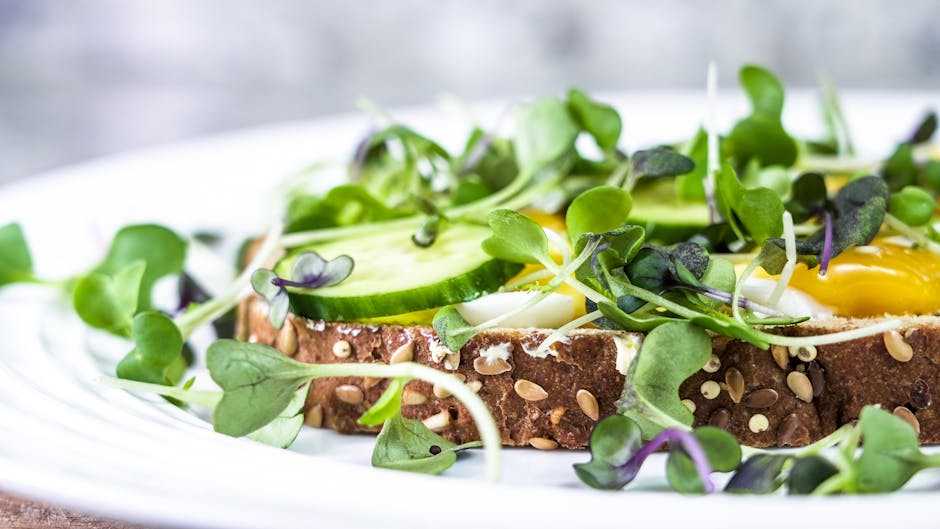
Know What Clean Eating Really Means
Clean eating is more than just a trendy phrase it’s a long term approach to fueling your body with the best possible ingredients. At its heart, it emphasizes nourishing, whole foods and reducing your intake of artificial additives.
The Clean Eating Foundation
To eat clean is to keep it simple, natural, and close to the source. That means:
Prioritizing whole, minimally processed foods like vegetables, fruits, whole grains, legumes, nuts, and high quality proteins.
Avoiding added sugars, especially in beverages, snacks, and condiments.
Keeping sodium and artificial ingredients in check by cooking more meals at home and reading labels carefully.
Clean Eating + Planning = Sustainability
It’s easy to start clean eating with enthusiasm, but sustainability requires structure. Planning ahead makes it easier to stick to clean eating goals throughout your week.
Set realistic expectations your meals don’t need to be perfect, just better.
Prep and shop with intention to avoid last minute compromises.
A structured meal prep routine supports your clean choices when time and energy are low.
For a deeper dive into clean eating principles, explore our full clean eating guide.
Start with simple changes, build consistency, and let your habits evolve over time.
Build a Reliable Meal Prep Routine
Start by picking one day each week to get it all done. Sunday works for most fewer distractions, more time but any day you can stick to will do. The goal isn’t to batch cook like a robot. It’s to build a foundation you can rely on when life gets busy.
Plan a menu that uses what’s in season and packed with nutrients. Think hearty greens in winter, crisp veggies in spring, berries in summer. Focus your meals around simple building blocks: whole grains, lean proteins, and a rainbow of produce.
Once the list is set, shop once. In, out, done. When you get home, prep in bulk: cook grains, portion proteins, chop vegetables. Don’t overthink it. You’re building options, not perfection.
Last step store everything so you’ll actually use it. Invest in clear, stackable containers. Not just for aesthetics. If you can see it, you’ll eat it. It keeps the fridge from turning into a black hole of forgotten leftovers. Clean eating is easier when your meals are ready before your excuses show up.
Mix and Match with Purpose

Clean eating doesn’t mean boring eating but it does mean thinking ahead. Start with a few base ingredients you can stretch over multiple meals. Roasted vegetables, hard boiled eggs, quinoa, brown rice, shredded chicken, baked tofu these are staples that don’t quit. Prep them once, and you’ve got the backbone of breakfast, lunch, and dinner covered.
Then comes the flavor game. Instead of buying pre made dressings or sauces loaded with additives, make your own jars of homemade vinaigrettes, tahini sauces, or spice blends. A single bowl of grains and protein can become anything you want with the right texture and taste boost think Mediterranean one night, Thai inspired the next.
The secret weapon? Keep 2 3 fallback meals that you know you’ll eat. Things like a grain bowl, a veggie packed stir fry, or a loaded salad. Rotate them to avoid burnout and kill the craving for delivery. Planning variety doesn’t mean reinventing the wheel every day it means knowing the basics, then dressing them up smart.
Smart Shortcuts That Don’t Cut Corners
Clean eating doesn’t mean you have to spend your Sundays chained to the stove. There are ways to move fast and still eat well if you’re smart about your shortcuts.
Start with frozen produce. It’s just as nutritious as fresh, sometimes even more. Just read the labels skip anything with added sauces, sugars, or salt. Same goes for pre washed greens and chopped veggies. They cost a bit more, but you’re buying back time and that’s worth it when carving out a prep routine.
Use your kitchen tools to stay efficient. A simple rice cooker, a sturdy sheet pan, or a high speed blender can take you from zero to meal ready with less energy. Lean on them. Grill proteins while the quinoa cooks. Blend sauces while your sheet pan veggies roast.
And don’t forget snacks. Batch cook simple clean options like roasted chickpeas or no bake energy bites so you’re not scrambling between meals. These small moves remove friction throughout the week and help the habit stick.
Stay Consistent with a System That Works for You
Structure beats willpower every time. And one of the simplest ways to build consistency into your meal prep is assigning themes to your days think plant based Mondays, bowl build Tuesdays, or leftover Fridays. It’s not about rules, it’s about rhythm. Scheduling meals like this cuts down on decision fatigue and gives your grocery list a predictable flow.
That said, don’t overcomplicate things or stretch yourself too thin. If your week’s a moving target, scale back. Prep a few essentials and plan two solid meals ahead no need to box yourself into seven full days of fridge choreography. Flexibility is part of sustainability.
Also: minimalist meals win. Fewer ingredients, fewer steps. Clean eating doesn’t require a culinary degree. A solid roasted veg, simple grain, solid protein combo can carry you far. Repeat the meals you actually enjoy, and give yourself permission to keep it basic. Success favors simple systems that actually fit your life.
Resources to Keep You On Track
Establishing clean eating habits is easier when you have reliable tools and trusted information at your fingertips. These resources help support your goals, streamline your prep, and ensure you’re staying informed without the overwhelm.
Plan Ahead with the Right Tools
Meal planning can feel like a chore unless you have tools that actually support your routine. Start by choosing a system that matches your style and schedule:
Meal planning apps: Digital tools that allow you to save recipes, create grocery lists, and schedule prep days
Dedicated meal journals or notebooks: Ideal for those who prefer tracking by hand, reflecting weekly, or storing printed recipes
Whether digital or analog, the key is to stay consistent with a format you’ll return to week after week.
Trustworthy Nutrition Sources Matter
Not all nutrition advice is created equal. When building clean eating habits, it’s important to:
Rely on expert guidance grounded in science, not trends
Avoid overly restrictive plans or methods that eliminate whole food groups without reason
Stay updated on evolving food science from trusted sources
Use Our Clean Eating Guide as Your Home Base
For a dependable starting point that cuts through the noise, bookmark our full clean eating guide. It includes:
Core principles behind clean eating
Simple grocery lists and planning templates
A step by step approach for building long term habits
Think of it as a map one you can return to whenever your routine needs a little reset.
With the right planning tools and a clear understanding of nutritional basics, clean eating becomes not only sustainable but second nature.
 Ask Cindiy Jensenialez how they got into wellness tips and strategies and you'll probably get a longer answer than you expected. The short version: Cindiy started doing it, got genuinely hooked, and at some point realized they had accumulated enough hard-won knowledge that it would be a waste not to share it. So they started writing.
What makes Cindiy worth reading is that they skips the obvious stuff. Nobody needs another surface-level take on Wellness Tips and Strategies, Mental Health Resources, Fitness Routines and Workouts. What readers actually want is the nuance — the part that only becomes clear after you've made a few mistakes and figured out why. That's the territory Cindiy operates in. The writing is direct, occasionally blunt, and always built around what's actually true rather than what sounds good in an article. They has little patience for filler, which means they's pieces tend to be denser with real information than the average post on the same subject.
Cindiy doesn't write to impress anyone. They writes because they has things to say that they genuinely thinks people should hear. That motivation — basic as it sounds — produces something noticeably different from content written for clicks or word count. Readers pick up on it. The comments on Cindiy's work tend to reflect that.
Ask Cindiy Jensenialez how they got into wellness tips and strategies and you'll probably get a longer answer than you expected. The short version: Cindiy started doing it, got genuinely hooked, and at some point realized they had accumulated enough hard-won knowledge that it would be a waste not to share it. So they started writing.
What makes Cindiy worth reading is that they skips the obvious stuff. Nobody needs another surface-level take on Wellness Tips and Strategies, Mental Health Resources, Fitness Routines and Workouts. What readers actually want is the nuance — the part that only becomes clear after you've made a few mistakes and figured out why. That's the territory Cindiy operates in. The writing is direct, occasionally blunt, and always built around what's actually true rather than what sounds good in an article. They has little patience for filler, which means they's pieces tend to be denser with real information than the average post on the same subject.
Cindiy doesn't write to impress anyone. They writes because they has things to say that they genuinely thinks people should hear. That motivation — basic as it sounds — produces something noticeably different from content written for clicks or word count. Readers pick up on it. The comments on Cindiy's work tend to reflect that.