

Start Your Day With Intention
Motivation is overrated. It comes and goes, and waiting around for it is a losing game. A better bet? Build a morning routine so simple you can do it on autopilot. Structure beats hype every time.
Small rituals in the morning signal your brain that you’re in control. Mindful breathing helps you stay grounded before the chaos starts. A few minutes of journaling gives you clarity. Light movement wakes up your body and gets the blood flowing. None of this needs to be complicated.
The real shift happens when you set one clear goal for the day something concrete and doable. Write it down. Stick it on a post it. Let it steer your decisions. A focused start creates momentum, and momentum is something you can actually build on, even when motivation takes a sick day.
Protect Your Mental Energy
Mental energy is a limited resource how you protect it can determine the quality of your day. Learning to manage your boundaries, both socially and digitally, plays a crucial role in supporting long term mental wellness.
Learn to Say No
It’s not selfish it’s strategic. You can’t show up for everything and everyone all the time. Recognizing your bandwidth and honoring it helps prevent emotional exhaustion.
Respect your time and energy
Communicate clearly and kindly when you’re at capacity
Say yes to commitments that align with your values
Set Digital Boundaries
Your phone, inbox, and feed can be major energy drains if left unchecked. Setting limits on when and how you interact with technology helps you stay centered and intentional.
Limit doomscrolling, especially in the morning or before bed
Schedule “screen free” zones throughout the day
Create a digital curfew: no screens at least 30 minutes before sleep
Use Alerts and Timers to Stay Focused
Multitasking may feel productive in the moment, but it drains focus over time. Small tools can help you manage your energy more effectively:
Use timers to work in focused sprints (e.g. Pomodoro technique)
Set reminders to take stretch breaks or hydrate
Mute unnecessary notifications that interrupt deep work
Protecting your mental energy isn’t about doing less it’s about doing what matters with more intention.
Move Your Body, Shift Your Mind
Movement isn’t just for physical health it’s a powerful tool for mental clarity and emotional balance. Regular physical activity helps regulate stress hormones, boost energy levels, and improve your overall outlook on the day.
Why It Matters
Physical movement stimulates endorphins, the body’s natural mood boosters
Even minor activity increases blood flow to the brain, enhancing clarity and focus
Regular movement can curb anxious loops and support emotional resilience
Easy Wins to Get You Moving
You don’t need a gym membership or a full workout routine to feel the benefits. Small bursts of activity throughout your day are enough to create momentum.
5 minute stretch breaks between meetings or tasks
A brisk walk during lunch or after a screen heavy session
A short yoga flow to reset your body and mind
Build the Habit, Not the Hype
When it comes to movement, consistency matters more than intensity. You’re not training for a marathon you’re showing up for your mental health.
Schedule short movement windows into your routine
Focus on how it feels, not how it looks
Over time, small actions become energizing rituals
Make movement part of your support system. Think of it as a reset button you can press anytime you feel overwhelmed, stuck, or low on energy.
Eat With Brain Health in Mind
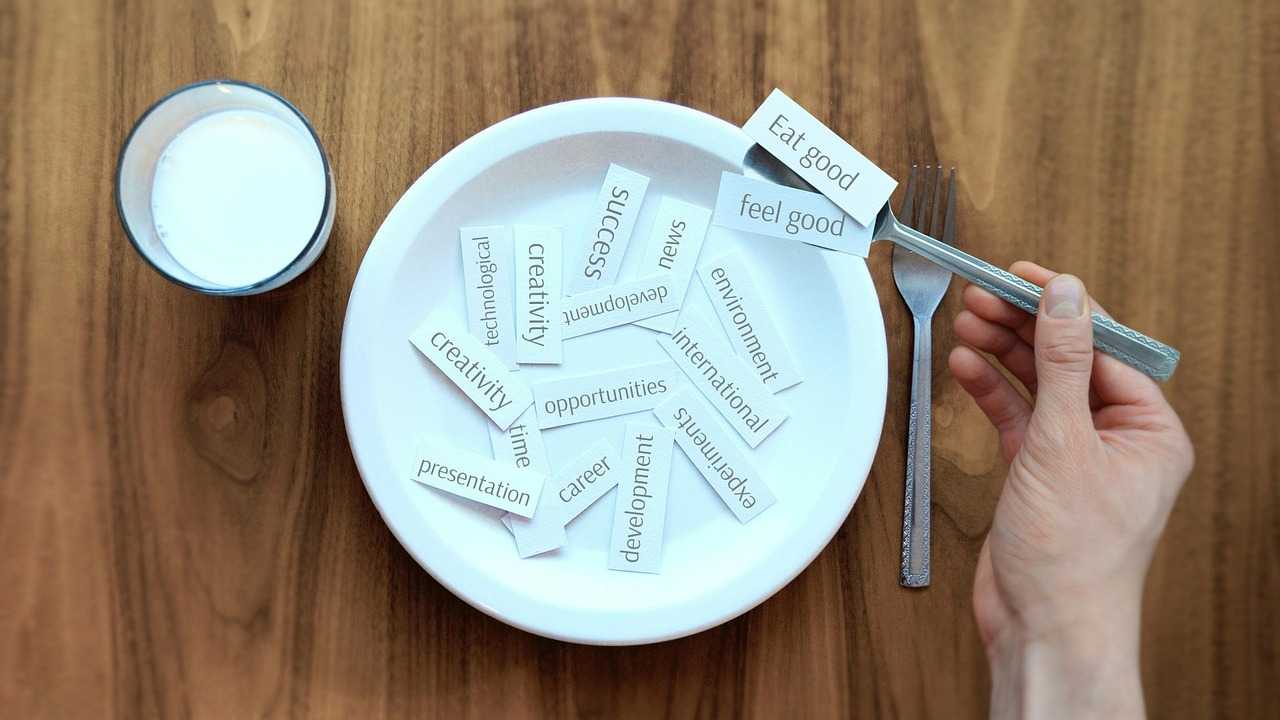
Mental clarity doesn’t happen on an empty tank or a dehydrated one. Water is your quiet ally. Even mild dehydration can cloud focus, sap energy, and sink mood. If your brain feels foggy by midday, check your water intake before anything else.
Then there’s what’s on your plate. Nutrients like omega 3 fatty acids (found in fatty fish, walnuts, or flaxseeds), magnesium (leafy greens, nuts, beans), and B vitamins (think eggs, legumes, whole grains) play key roles in how you think and feel. They don’t just support brain function they help stabilize mood and stave off slumps.
Snacking? Keep it steady. Sugar spikes lead to crashes and crashes feed irritation, anxiety, and fatigue. Go for a handful of almonds, Greek yogurt, hard boiled eggs, or any combo that pairs protein and complex carbs. The goal isn’t flavorless eating it’s fuel that works as hard as you do.
Get Honest About Stress
Stress is inevitable but ignoring it only allows it to build. To stay ahead of mental fatigue, it’s important to understand how stress shows up for you and to have tools ready when it does.
Spot the Early Warning Signs
Everyone experiences stress differently. The key is learning how it speaks to you.
Are you more irritable or impatient than usual?
Do you have trouble sleeping or concentrating?
Is your body tense, your appetite off, or your motivation dropping?
Recognizing these signs early gives you space to respond before burnout sets in.
Build a Personal Stress Toolkit
Once you identify your signs, equip yourself with go to practices that help regulate your nervous system and refocus your mind:
Deep Breathing: Try box breathing or the 4 7 8 technique to calm your body.
Music: Create a playlist that grounds or uplifts you as needed.
Safe Venting Spaces: Talk to someone you trust or journal when emotions need a release.
Make these tools easy to access so that they become reflexes, not just reactions.
Go Further With Targeted Strategies
There’s no one size fits all solution to stress, but exploring new approaches can expand your resilience.
Reflect on what’s helped you cope during tough times in the past.
Be open to revisiting or revising your toolkit as your life and needs change.
For more strategies, check out stress management hacks that help keep your system in check.
Mental wellness starts with awareness and grows through small, conscious actions.
Prioritize Rest Like a Pro
Sleep is not a luxury it’s fuel. If your mind feels foggy or fried, there’s a good chance your sleep hygiene needs work. Start simple: cut screens at least 30 minutes before bed. That scrolling habit isn’t harmless it’s flooding your brain with light and noise when it should be slowing down.
Build bedtime signal flags your body can rely on. Go to sleep and wake up at the same time every day, even on weekends. That rhythm tells your brain it’s safe to unplug and reset. Skip the guesswork and track what’s actually helping (or hurting) your recovery: mood, energy, focus. Apps are fine, but your own journal works just as well. When you treat rest with intention, your daytime mental game levels up.
This isn’t about a perfect routine it’s about owning your recovery so you can show up sharp.
Lean Into Small Joys
It’s easy to overlook the small, positive moments in a fast paced day but consciously tuning into them can make a powerful impact on your mindset. Mental wellness isn’t just about managing crisis points; it’s also about noticing what’s already good.
Train Your Brain to Spot the Good
Micro moments of joy act like mental resets that offer perspective, calm, and encouragement. Over time, they can rewire your brain to notice positivity more naturally.
Notice a kind comment, a funny moment, or a small win at work
Reflect briefly on what felt uplifting about it
Share it with someone or jot it down to reinforce the feeling
Make Gratitude a Habit
Practicing gratitude even briefly can shift your emotional tone for the entire day. The key is frequency, not complexity.
Start or end your day by writing one thing you’re grateful for
Keep a gratitude list easily accessible physical or digital
Revisit past entries when you feel low to reframe your current mood
Build in Micro Breaks
It’s not always possible to take a big break, but small ones sprinkled throughout your day can reset your nervous system and help prevent overwhelm.
Add 5 minute music breaks between meetings
Take a walk, even if it’s just around your home or office
Use slow, mindful breathing to re center during transitions
Small joys are easy to miss but when you make space to notice them, they quickly become essential anchors for your mental wellness.
Make Mental Wellness Non Negotiable
Mental health isn’t fixed by grand gestures. It’s earned quietly, in the smallest choices made daily. When you drink water instead of skipping breakfast, take a two minute breath instead of rage scrolling, or write down one good thing before bed you’re casting a vote for your well being. These moments may not feel big, but they compound fast.
Perfect isn’t the goal. Showing up is. Some days you won’t hit all the marks. That’s fine. What matters is building enough of a routine that it pulls you back when life throws you off balance.
When the wheels start to wobble, don’t wait for a crash. Revisit these stress management hacks, shake things up, and re commit. It’s not about doing everything. It’s about doing something and doing it again tomorrow.
 Ask Cindiy Jensenialez how they got into wellness tips and strategies and you'll probably get a longer answer than you expected. The short version: Cindiy started doing it, got genuinely hooked, and at some point realized they had accumulated enough hard-won knowledge that it would be a waste not to share it. So they started writing.
What makes Cindiy worth reading is that they skips the obvious stuff. Nobody needs another surface-level take on Wellness Tips and Strategies, Mental Health Resources, Fitness Routines and Workouts. What readers actually want is the nuance — the part that only becomes clear after you've made a few mistakes and figured out why. That's the territory Cindiy operates in. The writing is direct, occasionally blunt, and always built around what's actually true rather than what sounds good in an article. They has little patience for filler, which means they's pieces tend to be denser with real information than the average post on the same subject.
Cindiy doesn't write to impress anyone. They writes because they has things to say that they genuinely thinks people should hear. That motivation — basic as it sounds — produces something noticeably different from content written for clicks or word count. Readers pick up on it. The comments on Cindiy's work tend to reflect that.
Ask Cindiy Jensenialez how they got into wellness tips and strategies and you'll probably get a longer answer than you expected. The short version: Cindiy started doing it, got genuinely hooked, and at some point realized they had accumulated enough hard-won knowledge that it would be a waste not to share it. So they started writing.
What makes Cindiy worth reading is that they skips the obvious stuff. Nobody needs another surface-level take on Wellness Tips and Strategies, Mental Health Resources, Fitness Routines and Workouts. What readers actually want is the nuance — the part that only becomes clear after you've made a few mistakes and figured out why. That's the territory Cindiy operates in. The writing is direct, occasionally blunt, and always built around what's actually true rather than what sounds good in an article. They has little patience for filler, which means they's pieces tend to be denser with real information than the average post on the same subject.
Cindiy doesn't write to impress anyone. They writes because they has things to say that they genuinely thinks people should hear. That motivation — basic as it sounds — produces something noticeably different from content written for clicks or word count. Readers pick up on it. The comments on Cindiy's work tend to reflect that.