
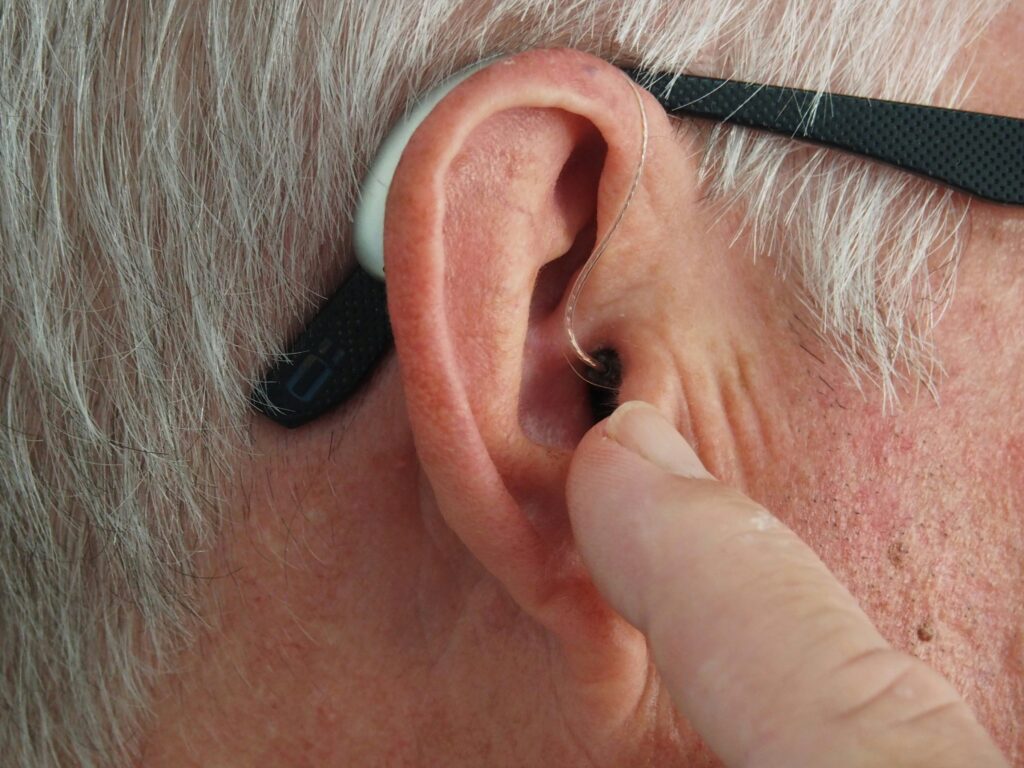
earing aids are life-changing devices designed to improve hearing clarity and overall quality of life. However, simply owning one is not enough, knowing how to use and maintain it properly is essential for the best results. This guide will walk you through everything you need to know about using hearing aids effectively.
And before jumping in, if you are looking for the best hearing aids provider in Singapore, then click the link.
Understanding Your Hearing Aid
Hearing aids come in different styles, including Behind-the-Ear (BTE), In-the-Ear (ITE), and Receiver-in-Canal (RIC). Each type works by amplifying sound and delivering it directly into your ear. Modern hearing aids are equipped with advanced features such as noise reduction, directional microphones, and even Bluetooth connectivity.
Before using your device, it’s important to understand its controls, settings, and features. Most hearing aids have volume controls and program settings that can be adjusted depending on your environment.
Getting Comfortable with Your Device
Adjusting to a hearing aid takes time. Initially, sounds may seem louder or different than you remember. Start by wearing your hearing aid for a few hours each day and gradually increase the duration. This allows your brain to adapt to the new sound levels.
Practice listening in quiet environments first, such as at home, before moving to noisier places like markets or restaurants. Patience is key during this adaptation period.
Proper Insertion and Removal
Correct placement ensures optimal performance and comfort. Always insert your hearing aid gently and securely into your ear. If it feels uncomfortable or loose, you may need to adjust its position or consult an audiologist.
When removing the device, handle it carefully to avoid damage. Store it in a safe, dry place when not in use.
Cleaning and Maintenance
Regular cleaning is crucial for keeping your hearing aid functioning properly. Earwax, dust, and moisture can affect performance over time. Use a soft cloth or specialized cleaning tools to remove debris daily.
Avoid using water or harsh chemicals on your device. Many users also benefit from using a dehumidifier designed for hearing aids, especially in humid climates.
Battery Care and Charging
Depending on your model, hearing aids may use disposable batteries or rechargeable ones. For battery-powered devices, always keep spare batteries handy. Turn off your hearing aid when not in use to conserve power.
If you have a rechargeable model, follow the manufacturer’s charging guidelines. Avoid overcharging and ensure the device is fully charged before use.
Adjusting Settings for Different Environments
Modern hearing aids allow users to switch between different listening modes. For example, you may use one setting for quiet environments and another for noisy surroundings.
Take time to learn how to adjust these settings or use companion apps if available. This helps you get the best listening experience in various situations.
Regular Check-Ups with an Audiologist
Routine visits to an audiologist are essential for maintaining your hearing health. They can fine-tune your hearing aid settings, check for issues, and ensure the device is working optimally.
If you experience discomfort, feedback noise, or reduced performance, seek professional assistance promptly.
Tips for Better Performance
- Keep your hearing aids dry and away from extreme temperatures
- Remove them before swimming or showering
- Handle them with clean, dry hands
- Replace parts like ear tips or wax guards as needed
- Store your hearing aids in a protective case when not in use
- Turn off the device or open the battery door when not wearing it to extend battery life
- Schedule periodic professional cleaning and adjustments with your audiologist
Conclusion
Using hearing aids effectively involves more than just wearing them. It requires proper care, regular adjustments, and patience. With the right approach, hearing aids can significantly enhance your daily interactions and overall well-being. By following this guide, you can ensure your device performs at its best while helping you stay connected to the world around you.
 Ask Cindiy Jensenialez how they got into wellness tips and strategies and you'll probably get a longer answer than you expected. The short version: Cindiy started doing it, got genuinely hooked, and at some point realized they had accumulated enough hard-won knowledge that it would be a waste not to share it. So they started writing.
What makes Cindiy worth reading is that they skips the obvious stuff. Nobody needs another surface-level take on Wellness Tips and Strategies, Mental Health Resources, Fitness Routines and Workouts. What readers actually want is the nuance — the part that only becomes clear after you've made a few mistakes and figured out why. That's the territory Cindiy operates in. The writing is direct, occasionally blunt, and always built around what's actually true rather than what sounds good in an article. They has little patience for filler, which means they's pieces tend to be denser with real information than the average post on the same subject.
Cindiy doesn't write to impress anyone. They writes because they has things to say that they genuinely thinks people should hear. That motivation — basic as it sounds — produces something noticeably different from content written for clicks or word count. Readers pick up on it. The comments on Cindiy's work tend to reflect that.
Ask Cindiy Jensenialez how they got into wellness tips and strategies and you'll probably get a longer answer than you expected. The short version: Cindiy started doing it, got genuinely hooked, and at some point realized they had accumulated enough hard-won knowledge that it would be a waste not to share it. So they started writing.
What makes Cindiy worth reading is that they skips the obvious stuff. Nobody needs another surface-level take on Wellness Tips and Strategies, Mental Health Resources, Fitness Routines and Workouts. What readers actually want is the nuance — the part that only becomes clear after you've made a few mistakes and figured out why. That's the territory Cindiy operates in. The writing is direct, occasionally blunt, and always built around what's actually true rather than what sounds good in an article. They has little patience for filler, which means they's pieces tend to be denser with real information than the average post on the same subject.
Cindiy doesn't write to impress anyone. They writes because they has things to say that they genuinely thinks people should hear. That motivation — basic as it sounds — produces something noticeably different from content written for clicks or word count. Readers pick up on it. The comments on Cindiy's work tend to reflect that.