
Start with the Serving Size
Right at the top of every nutrition label is the serving size and it’s easy to gloss over. But miss this, and the rest of the label doesn’t make much sense.
Serving size tells you how much of the food the listed numbers actually apply to. If it says “2/3 cup” but you eat the whole package, guess what? You’re getting a lot more than what the numbers show.
Another thing: check how many servings are in the package. That grab and go smoothie or that bag of chips might look like one serving, but sometimes it’s two, three, or more. Suddenly, the calories, fat, or sugar double or triple fast.
Bottom line: everything on the label calories, protein, sodium is based on that single serving. Get clear on that number first, and you’ll read the rest far smarter.
Calories: A Snapshot, Not the Whole Story
Start with the calorie count per serving not per package. It’s a small distinction that makes a big difference. Plenty of snack packs say “100 calories” on the front, but the fine print shows there are two or three servings inside. Read closely.
Next, track how those calories fit into your day. If you’re aiming for 2,000 calories a day, one 350 calorie energy bar might make sense or it might not, depending on what else you’ve eaten. It’s math, not magic.
But here’s the kicker: calories don’t measure quality. A soda and a smoothie might have the same number of calories, but only one of them fuels you with fiber, vitamins, and something that actually supports your body. So yeah, count calories but don’t stop there.
Nutrients to Limit
When you’re scanning a nutrition label, this is the section to watch with a sharp eye. Saturated fat, trans fat, sodium, and added sugars aren’t just numbers they’re the usual suspects behind long term health issues like heart disease, high blood pressure, and type 2 diabetes. The key isn’t panic; it’s awareness.
Saturated fat pops up in buttery snacks, full fat dairy, and certain cuts of meat. Trans fat still lurking in some fast foods and processed baked goods is a red flag. Even trace amounts should make you think twice. Sodium sneaks in just about everywhere, especially in frozen meals, sauces, and chips. Added sugars hide in flavored yogurt, granola bars, and those “energy” drinks that do more harm than good.
These nutrients, when eaten in excess, push your body toward chronic issues. They also crowd out space in your diet for the good stuff fiber, protein, and essential nutrients. So take five seconds on each label. The more you see what you’re really eating, the easier it becomes to make better choices.
Nutrients to Prioritize
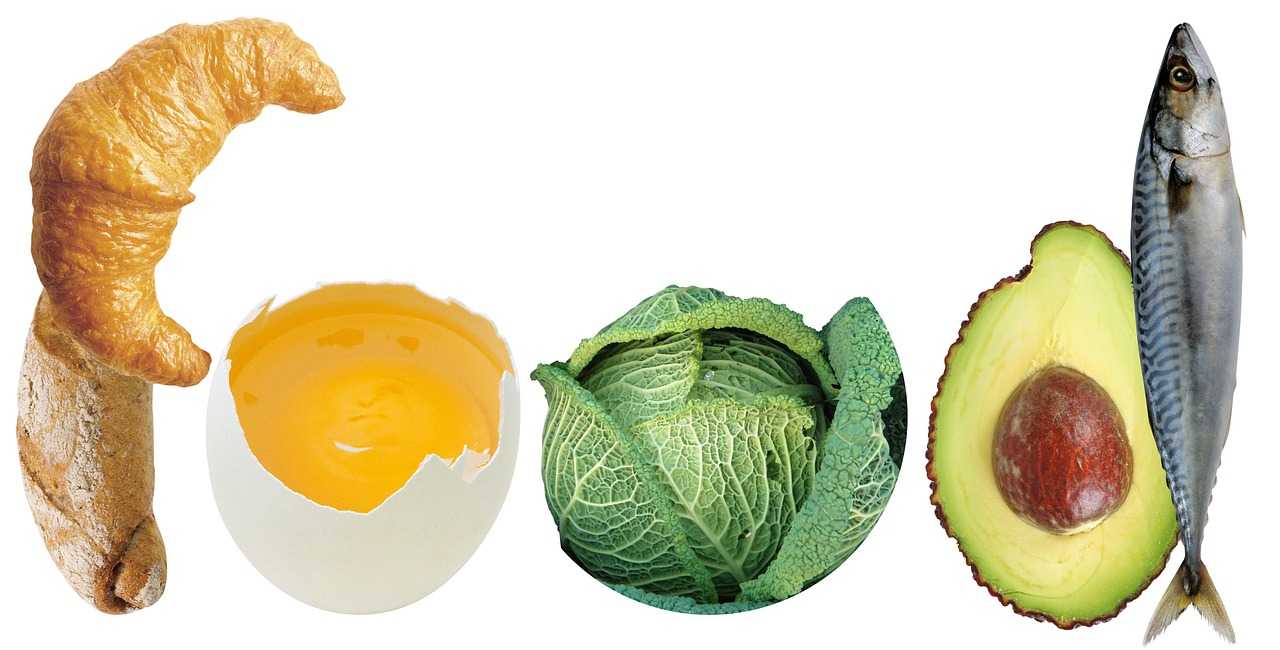
When you’re staring at a food label, don’t just scan for what to avoid know what to look for. Nutrients like dietary fiber, protein, vitamin D, calcium, iron, and potassium aren’t just nice extras. They’re the building blocks for staying sharp, strong, and steady throughout the day.
Fiber keeps your digestion smooth and helps with fullness, making it easier to steer clear of mindless snacking. Protein supports muscle repair and keeps energy stable especially between meals. Vitamin D helps with immune function and bone health. Calcium and potassium work on muscle function and blood pressure balance, while iron transports oxygen throughout your body, keeping fatigue at bay.
Here’s a shortcut: glance at the % Daily Value. The higher the number, the more impact that food makes toward your daily needs. If it’s 20% or more, that’s solid. Under 5%? Might be time to find a better option.
These nutrients aren’t about trends. They’re about fueling your day without the crash.
Decoding % Daily Value (%DV)
Understanding % Daily Value (%DV) can make label reading far more efficient and insightful. It’s a quick reference tool built into every nutrition label to help you evaluate how a food fits into your daily nutritional needs.
What the Numbers Really Mean
Use this simple breakdown as a baseline:
5% DV or less: Low the item isn’t a major source of that nutrient
20% DV or more: High the item contributes a significant amount of that nutrient
This applies to both nutrients you may want to limit and those you want to prioritize.
Why It Matters
%DV helps with fast, informed choices:
Compare similar products at a glance (e.g., pick the cereal with more fiber and less added sugar)
Balance your intake throughout the day you don’t need to get everything from one item
Simplify your grocery trips by focusing less on marketing claims and more on actual nutrient contribution
A Balanced Approach
You don’t need to hit 100% for every nutrient in every food. Aim for a variety of foods that together meet your daily needs.
High %DV in fiber, vitamins, or calcium? Great.
Low %DV in sodium or saturated fat? Also great.
The goal isn’t perfection it’s nutritional balance over time.
Ingredient List: The Fine Print That Matters
When it comes to understanding what’s really in your food, the ingredient list is just as important if not more than the nutrition label itself. It’s where you’ll find the truth behind flashy packaging and bold health claims.
Look Beyond the Front of the Package
Don’t stop at the claims like “all natural,” “low fat,” or “no added sugar.” These terms can be misleading and aren’t always regulated. Turn the package around and read the ingredient list to see what you’re actually getting.
Understand Ingredient Order
Ingredients are listed in descending order by weight. That means:
The first item listed is the most prominent in the food.
The farther down an ingredient is on the list, the less of it the product contains.
If sugar or a type of oil is listed first or second, the product may be less nutritious than it appears.
Spot the Red Flags
Keep your eye out for the following common culprits, especially in snacks and processed foods:
Added sugars: Look for terms like high fructose corn syrup, cane sugar, maltose, dextrose, or anything ending in ” ose.”
Artificial flavors and colors: These add nothing to nutritional value and may be worth limiting.
Fillers and preservatives: Items like modified starches, hydrogenated oils, or chemical preservatives can be a sign of highly processed foods.
Identifying these ingredients early can help you choose products with cleaner labels and make smarter food decisions.
Tip: Fewer Ingredients Is Often Better
A shorter ingredient list with recognizable items usually means the product is less processed. If you can pronounce and recognize most of the ingredients, you’re likely making a better choice.
Put It All Together in Real Life
Reading a nutrition label doesn’t have to be a deep dive aim for 30 seconds or less. Start by glancing at the serving size and total calories. Then scan for two things: what you want less of (saturated fat, added sugars, sodium) and what you want more of (fiber, protein, vitamins). If the ingredient list starts with sugar or unpronounceables, that’s your cue to move on.
Swapping smart doesn’t mean sacrificing flavor. Got a favorite crunchy snack? Try a version with less sodium and a clean ingredient list. Craving something sweet? Look for products with fewer added sugars but natural sweetness from fruit or spices. The goal: keep what you love, but trade up nutritionally.
Want a cheat sheet to make it easier? Check out our full nutrition label guide.
Next Level Label Reading
Food packaging loves buzzwords. “Low fat,” “light,” “heart healthy” these aren’t always what they seem. For example, “low fat” means the product must meet specific FDA standards for fat content. “Light,” on the other hand, can mean fewer calories, less fat, or even just a lighter color or texture. It’s vague by design. Don’t rely on these claims flip the package and check the actual label.
Something labeled as “healthy” might still pack a ton of added sugar, sodium, or ultra processed ingredients. That granola bar? Maybe more syrup than oats. That veggie chip? Could be deep fried and salted within an inch of its life. Watch out for long ingredient lists full of things you couldn’t pronounce without a chemistry degree.
Bottom line: treat health claims on the front of packages like advertising, not facts. Want to go deeper? See our full nutrition label guide for more eye openers.
 Vorric Orrendale is the kind of writer who genuinely cannot publish something without checking it twice. Maybe three times. They came to holistic health approaches through years of hands-on work rather than theory, which means the things they writes about — Holistic Health Approaches, Wellness Tips and Strategies, Nutrition and Healthy Eating, among other areas — are things they has actually tested, questioned, and revised opinions on more than once.
That shows in the work. Vorric's pieces tend to go a level deeper than most. Not in a way that becomes unreadable, but in a way that makes you realize you'd been missing something important. They has a habit of finding the detail that everybody else glosses over and making it the center of the story — which sounds simple, but takes a rare combination of curiosity and patience to pull off consistently. The writing never feels rushed. It feels like someone who sat with the subject long enough to actually understand it.
Outside of specific topics, what Vorric cares about most is whether the reader walks away with something useful. Not impressed. Not entertained. Useful. That's a harder bar to clear than it sounds, and they clears it more often than not — which is why readers tend to remember Vorric's articles long after they've forgotten the headline.
Vorric Orrendale is the kind of writer who genuinely cannot publish something without checking it twice. Maybe three times. They came to holistic health approaches through years of hands-on work rather than theory, which means the things they writes about — Holistic Health Approaches, Wellness Tips and Strategies, Nutrition and Healthy Eating, among other areas — are things they has actually tested, questioned, and revised opinions on more than once.
That shows in the work. Vorric's pieces tend to go a level deeper than most. Not in a way that becomes unreadable, but in a way that makes you realize you'd been missing something important. They has a habit of finding the detail that everybody else glosses over and making it the center of the story — which sounds simple, but takes a rare combination of curiosity and patience to pull off consistently. The writing never feels rushed. It feels like someone who sat with the subject long enough to actually understand it.
Outside of specific topics, what Vorric cares about most is whether the reader walks away with something useful. Not impressed. Not entertained. Useful. That's a harder bar to clear than it sounds, and they clears it more often than not — which is why readers tend to remember Vorric's articles long after they've forgotten the headline.