
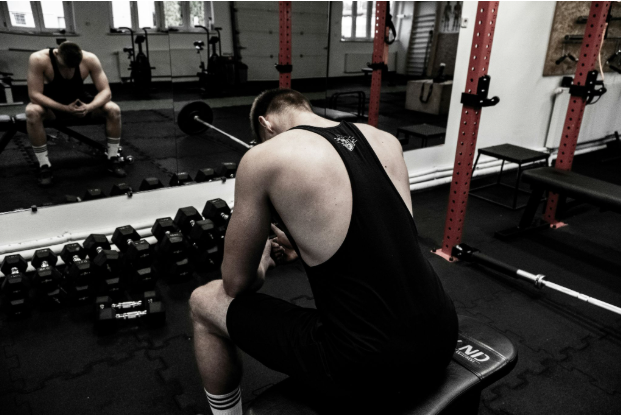
There may be days when getting out of bed feels harder than it should, and by the time you reach your workout, your body feels like it is moving through wet cement. Your limbs respond slowly, your motivation is low, and what should be a manageable session feels overwhelming. Many active people experience this type of heaviness at some point. If it resolves after a rest day or a good night of sleep, there is little cause for concern. But when it persists, it can begin to affect not only your training performance but also how you manage everyday responsibilities outside the gym.
Feeling weighed down during exercise is rarely caused by a single factor. Energy output depends on numerous processes running simultaneously: rest, nutrition, hydration, mental load, and baseline stress levels. When any of these fall out of balance, the body tends to respond with a general sense of decreased function rather than one isolated symptom. This is part of what makes it difficult to pinpoint.
When Your Body Feels Heavy During Training

A heavy, sluggish feeling during exercise is one of the more frustrating experiences for people who are otherwise committed to staying active. It can show up as legs that won’t respond on a run, arms that fatigue earlier than expected during a lift, or a general lack of drive that makes completing a session feel like a task rather than a habit.
Several specific factors tend to contribute to this during-exercise heaviness:
Overtraining Without Adequate Recovery
When training volume exceeds what the body can absorb, performance drops and the sensation of physical heaviness increases. This is the body signaling that it needs more time to repair before the next effort.
Low Iron Levels
Iron plays a direct role in oxygen delivery to working muscles. When iron is insufficient, even moderate exercise can feel disproportionately hard, and the legs in particular may feel heavy and unresponsive.
Dehydration
Even mild fluid loss reduces blood volume, which forces the heart to work harder to deliver oxygen to muscles. The result during training is a feeling of sluggishness that worsens as the session progresses.
Glycogen Depletion
Training in an underfueled state (whether from skipping a pre-workout meal or following a heavily restricted diet) leaves muscles without their primary energy source, which manifests directly as heaviness and early fatigue.
If the heaviness during training is consistent and does not improve with rest and nutrition adjustments, it may be worth investigating further with a healthcare provider, as conditions like anemia or hypothyroidism can produce similar symptoms.
When Sleep Quietly Depletes Your Stores

Sleep is the primary window during which the body repairs muscle tissue, regulates hormones, and consolidates the adaptations from training. Poor quality or insufficient sleep leaves a measurable impact on both physical performance and mental readiness the following day.
For athletes and active individuals, disrupted sleep has been associated with reduced reaction time, decreased strength output, and a higher perceived effort during exercise, meaning the same workout feels harder than it should. Minor adjustments to a bedtime routine, such as reducing screen exposure in the evening or keeping a consistent sleep schedule, can make a meaningful difference in how recovered the body feels before training.
The Weight That Mood Adds to Movement
Psychological load has a direct physical counterpart. Prolonged stress, low mood, or periods of emotional difficulty are not confined to the mind; they commonly show up as muscle tension, reduced motivation, and a pervasive sense of physical heaviness that can make training feel inaccessible.
This matters in a fitness context because it is easy to attribute a string of poor training days solely to physical factors, when the underlying driver may be emotional. Identifying what is adding to that mental load does not immediately resolve the problem, but acknowledging it allows for a more accurate response, whether that means adjusting training expectations temporarily or seeking support.
Nutrition, Hydration, and Movement Quality

What and when you eat directly influences how you feel during training. Skipping meals, under-eating relative to training demands, low iron intake, and diets composed primarily of fast-acting sugars can all result in the kind of mid-session fatigue and heaviness that makes finishing a workout feel like a significant effort.
Hydration is equally important and frequently underestimated. Starting a training session already slightly dehydrated, which is common when fluid intake throughout the day has been low, compounds fatigue quickly and contributes directly to that heavy, dragging sensation in the legs and arms.
On the movement side, consistent gentle activity on rest days supports circulation and reduces the muscular stiffness that can accumulate between harder sessions, helping the body feel lighter and more responsive when it matters.
Small Routines That Support Consistent Training
Beyond the larger factors, the structure of a daily routine contributes significantly to how ready the body feels to train. Irregular meal timing, high caffeine intake late in the day, insufficient movement between sessions, and poor sleep consistency all accumulate in ways that are easy to underestimate.
Several habits tend to support sustained energy for training: maintaining a consistent wake time, eating at regular intervals throughout the day, staying hydrated between sessions, and building genuine recovery into the weekly schedule, not just passive rest, but intentional downtime that allows the nervous system to reset.
Tracking What Is Actually Changing
When heaviness during training becomes a pattern, tracking basic indicators for one to two weeks can provide useful clarity. Noting how rested you feel upon waking, your energy level at the start of a session, and how quickly fatigue sets in can reveal patterns that are easy to miss in the moment and easier to act on once they are visible.
When to Consult a Professional
Most training-related heaviness has identifiable causes and responds to rest, adjusted nutrition, and improved sleep. Some does not. Fatigue that persists beyond a few weeks, worsens over time, or accompanies other symptoms, such as shortness of breath during light activity, unexplained changes in weight, or a low mood that does not lift, warrants evaluation by a healthcare provider. Common physical causes such as anemia or hypothyroidism are straightforward to screen for and can make a significant difference once identified and addressed.
It is not necessary to have everything figured out before seeking help. If heaviness is consistently preventing you from training, working, or functioning at the level you expect of yourself, that is a valid reason to reach out. The sooner the underlying cause is identified, the sooner the path back to feeling like yourself becomes clearer.
Safety Disclaimer
If you or someone you love is in crisis, call 911 or go to the nearest emergency room. You can also call or text 988, or chat via 988lifeline.org to reach the Suicide & Crisis Lifeline. Support is free, confidential, and available 24/7.
Author Bio
Earl Wagner is a health content strategist focused on behavioural systems, clinical communication, and data-informed healthcare education.
Sources
- Pengelly, M., Pumpa, K., Pyne, D. B., & Etxebarria, N. (2024). Iron deficiency, supplementation, and sports performance in female athletes: A systematic review. Journal of Sport and Health Science, 14, 101009.
- https://doi.org/10.1016/j.jshs.2024.101009
Kong, Y., Yu, B., Guan, G., Wang, Y., & He, H. (2025). Effects of sleep deprivation on sports performance and perceived exertion in athletes and non-athletes: A systematic review and meta-analysis. Frontiers in Physiology, 16, 1544286. - https://doi.org/10.3389/fphys.2025.1544286
Goulet, E. D. B., et al. (2022). Impact of dehydration on perceived exertion during endurance exercise: A systematic review with meta-analysis. Journal of Exercise Science & Fitness, 20(3), 224–235. - https://doi.org/10.1016/j.jesf.2022.03.006
 Ask Cindiy Jensenialez how they got into wellness tips and strategies and you'll probably get a longer answer than you expected. The short version: Cindiy started doing it, got genuinely hooked, and at some point realized they had accumulated enough hard-won knowledge that it would be a waste not to share it. So they started writing.
What makes Cindiy worth reading is that they skips the obvious stuff. Nobody needs another surface-level take on Wellness Tips and Strategies, Mental Health Resources, Fitness Routines and Workouts. What readers actually want is the nuance — the part that only becomes clear after you've made a few mistakes and figured out why. That's the territory Cindiy operates in. The writing is direct, occasionally blunt, and always built around what's actually true rather than what sounds good in an article. They has little patience for filler, which means they's pieces tend to be denser with real information than the average post on the same subject.
Cindiy doesn't write to impress anyone. They writes because they has things to say that they genuinely thinks people should hear. That motivation — basic as it sounds — produces something noticeably different from content written for clicks or word count. Readers pick up on it. The comments on Cindiy's work tend to reflect that.
Ask Cindiy Jensenialez how they got into wellness tips and strategies and you'll probably get a longer answer than you expected. The short version: Cindiy started doing it, got genuinely hooked, and at some point realized they had accumulated enough hard-won knowledge that it would be a waste not to share it. So they started writing.
What makes Cindiy worth reading is that they skips the obvious stuff. Nobody needs another surface-level take on Wellness Tips and Strategies, Mental Health Resources, Fitness Routines and Workouts. What readers actually want is the nuance — the part that only becomes clear after you've made a few mistakes and figured out why. That's the territory Cindiy operates in. The writing is direct, occasionally blunt, and always built around what's actually true rather than what sounds good in an article. They has little patience for filler, which means they's pieces tend to be denser with real information than the average post on the same subject.
Cindiy doesn't write to impress anyone. They writes because they has things to say that they genuinely thinks people should hear. That motivation — basic as it sounds — produces something noticeably different from content written for clicks or word count. Readers pick up on it. The comments on Cindiy's work tend to reflect that.