
The first time I watched a personal trainer perform chest compressions, it was on a man twice his size who had collapsed on the bench press platform. The trainer had finished his certification two months earlier, almost as an afterthought, because his insurance renewal required it. By the time the paramedics arrived, he had kept the man alive long enough to hand him over still breathing.
That story isn’t unusual. Cardiac events in fitness settings happen more often than the industry likes to advertise, and the people closest to them are almost always coaches, instructors and trainers. Yet CPR certification is still treated, in many circles, as a tick-box requirement rather than a core professional skill.
The reality of working with bodies under load
Fitness professionals spend their working hours encouraging clients to push themselves. Heart rates climb, blood pressure spikes, breathing patterns shift. Most of the time, the body adapts beautifully. Occasionally, it doesn’t. Undiagnosed heart conditions, dehydration, medication interactions, heat stress, simple bad luck: any of these can turn a Tuesday morning class into a medical emergency.
The window for action is brutally short. After cardiac arrest, survival rates drop roughly ten per cent for every minute that passes without intervention. Ambulances in even well-served urban areas typically take six to ten minutes to arrive. The maths is uncomfortable, and it places the responsibility squarely on whoever happens to be standing nearest.
What proper certification actually covers
A serious CPR course goes beyond the chest-compression rhythm everyone half-remembers from school assemblies. Modern certifications walk participants through adult, child and infant resuscitation, the use of automated external defibrillators (AEDs), recovery positioning, and the response sequence for choking. Many programmes now include basic first aid for the kinds of injuries that crop up in gym environments: sprains, fractures, lacerations and concussion recognition.
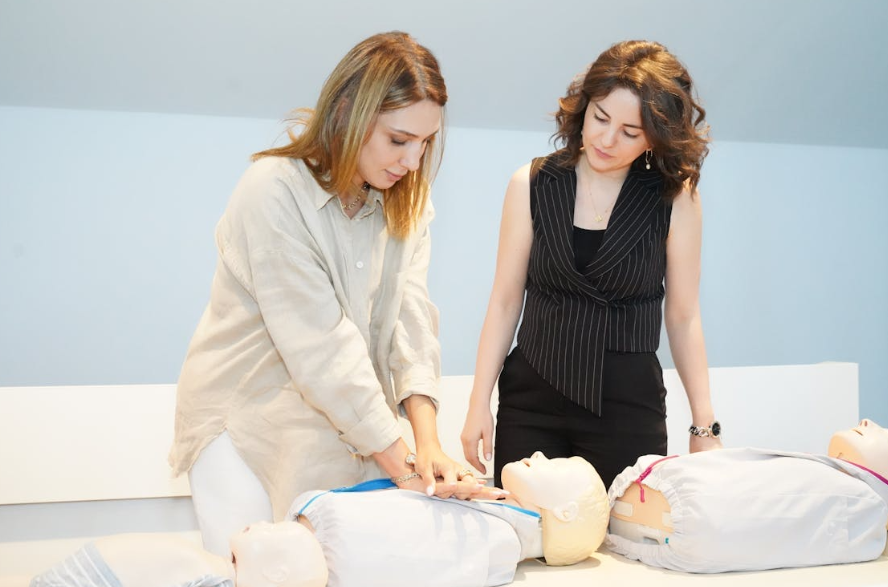
The practical component matters enormously. Compressions need to be deep, fast and unrelenting, and most people overestimate how hard they are pressing until they have done it on a manikin under instruction. Hands-on practice in a small group with a qualified trainer is where the certificate stops being decorative and starts being useful.
Choosing a programme that fits your schedule
For coaches working across cities like Houston, where the fitness industry is dense and competition for client time is fierce, finding a course that respects the working week is essential. Regional providers such as MyCpr run accredited programmes designed around the schedules of working professionals, often offering weekend intensives and evening sessions that don’t require taking a day off the gym floor.
Look for courses recognised by the American Heart Association, the Red Cross, or equivalent national bodies in your country. The accreditation matters because employers, insurers and professional associations will check it. A weekend qualification from an unrecognised provider may feel reassuring, but it won’t satisfy the people writing your liability cover.
Refreshers, resources and staying current
Certifications expire, usually every two years, and the gap between renewals is where skills quietly decay. Coaches who only think about CPR when their card is about to lapse are doing their clients a disservice.
Online resources can fill that gap. Sites like https://www.cpr911.org publish updated guidelines, technique videos and refresher materials that help keep the muscle memory alive between formal recertifications. None of this replaces hands-on training, but reading through current protocols every few months means you aren’t starting from zero when something goes wrong.
It’s also worth practising informally. Run through the response sequence in your head while you’re setting up the studio. Locate the nearest AED in every facility you work in. Know the address and entry instructions you would shout down a phone to a dispatcher while someone else starts compressions. These details sound paranoid until the day they aren’t.
Beyond the certificate
The strongest argument for CPR certification isn’t really about emergencies at all. It’s about the kind of professional you become when you take responsibility for the bodies in your care seriously. Clients pick up on it. They feel safer pushing themselves in a session led by someone who has thought through the worst-case scenario, and that trust translates into better training, longer client relationships and a more credible reputation.
Coaching is a profession built on physical risk, however gently it’s packaged. Earning the qualification to manage that risk isn’t an extra. It’s the floor.
 Ask Carrie R. how they got into wellness tips and strategies and you'll probably get a longer answer than you expected. The short version: Carrie started doing it, got genuinely hooked, and at some point realized they had accumulated enough hard-won knowledge that it would be a waste not to share it. So they started writing.
What makes Carrie worth reading is that they skips the obvious stuff. Nobody needs another surface-level take on Wellness Tips and Strategies, Mental Health Resources, Fitness Routines and Workouts. What readers actually want is the nuance — the part that only becomes clear after you've made a few mistakes and figured out why. That's the territory Carrie operates in. The writing is direct, occasionally blunt, and always built around what's actually true rather than what sounds good in an article. They has little patience for filler, which means they's pieces tend to be denser with real information than the average post on the same subject.
Carrie doesn't write to impress anyone. They writes because they has things to say that they genuinely thinks people should hear. That motivation — basic as it sounds — produces something noticeably different from content written for clicks or word count. Readers pick up on it. The comments on Carrie's work tend to reflect that.
Ask Carrie R. how they got into wellness tips and strategies and you'll probably get a longer answer than you expected. The short version: Carrie started doing it, got genuinely hooked, and at some point realized they had accumulated enough hard-won knowledge that it would be a waste not to share it. So they started writing.
What makes Carrie worth reading is that they skips the obvious stuff. Nobody needs another surface-level take on Wellness Tips and Strategies, Mental Health Resources, Fitness Routines and Workouts. What readers actually want is the nuance — the part that only becomes clear after you've made a few mistakes and figured out why. That's the territory Carrie operates in. The writing is direct, occasionally blunt, and always built around what's actually true rather than what sounds good in an article. They has little patience for filler, which means they's pieces tend to be denser with real information than the average post on the same subject.
Carrie doesn't write to impress anyone. They writes because they has things to say that they genuinely thinks people should hear. That motivation — basic as it sounds — produces something noticeably different from content written for clicks or word count. Readers pick up on it. The comments on Carrie's work tend to reflect that.