
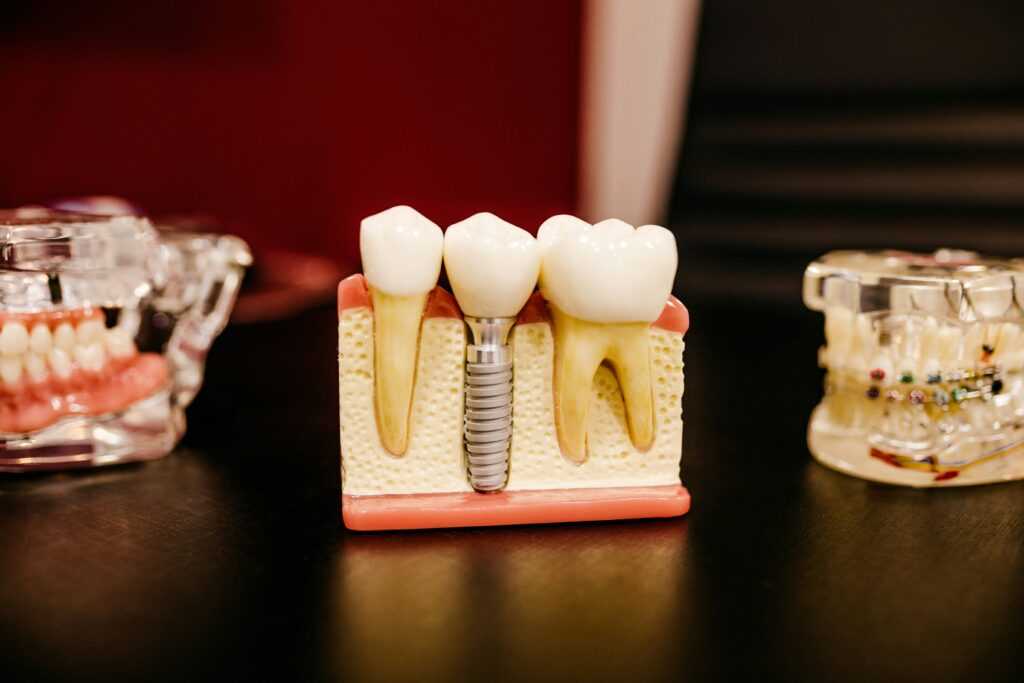
Cavities are one of the most common dental issues in the United States. Research shows that over 80% of Americans have at least one cavity by their mid-30s.1 Tooth decay can happen at any age, but is especially common during childhood.
Following a robust oral hygiene routine and keeping up with dental cleanings and exams can help prevent cavity development. Looking for a “dentist near me”? There are plenty of dentists in Palestine, TX, ready to help you protect your oral health.
If you think you might have a cavity, you’re probably wondering how much it may cost to have it fixed. Read on for a guide to tooth fillings and their associated costs.
What are dental fillings?
Dental fillings are used to fill cavities and restore damaged teeth, preventing further decay. When a hole forms in your tooth from a cavity, it can easily cause discomfort and sensitivity. If left untreated, it can lead to serious infection. That’s why it’s important to get a filling as soon as possible.
Dental fillings are typically made from composite resin, amalgam, or gold. These materials are used to fill the space, minimize discomfort, and preserve your natural tooth.
How the dental filling process works
If your dentist determines you need a tooth filling, they will typically follow this process:
- Numb the area around the tooth to prevent discomfort
- Remove the damaged or decayed part of the tooth
- Fill the hole with a dental filling material, such as amalgam, gold, or composite resin
- After the filling hardens, the dentist will shape and polish the tooth
It’s best to not delay getting a dental filling as it can lead to further complications or more expensive treatments, like a root canal. Acting quickly ensures you stop further damage and minimize discomfort.
What does a dental filling cost?
Let’s breakdown the dental filling cost without insurance. Understanding the cost factors of a dental filling can help you plan for needed care and reduce stress. The average price of a dental filling ranges from $100 to $1,150 or more for multiple fillings.2 The cost range is large because the final cost depends on several factors.
Factors influencing the cost of a tooth filling
Several factors impact the final cost of a dental filling, including:
Filling material
The most influential factor on dental filling cost is the material used for the restoration. As mentioned, the three most common dental filling materials are composite resin (tooth-colored material), amalgam (silver-colored material), and gold. Composite resin and amalgam are typically a bit less expensive than gold fillings.
Size of the cavity
The size of the cavity being filled will determine how much filling material must be used, thereby impacting the cost. Larger cavities require more filling and generally cost more than smaller cavities. This is another reason it’s important to address cavities promptly before they worsen.
Tooth location
Where the tooth is located can also play a role in the cost of a dental filling. Front teeth often use composite resin filling to blend with your natural smile, while teeth in the back of your mouth may use amalgam or gold. Molars are also sometimes more expensive because they are harder to treat.
Number of tooth surfaces
The cost depends on how many surfaces of the tooth are affected. Smaller cavities that only reach one surface use less filling material and take less time than those that reach two or three surfaces.
Insurance
Dental insurance can lower the price you pay out of pocket for dental fillings. Coverage varies by specific plan type. If you don’t have dental insurance, you will be responsible for the full cost of a dental filling. Dental insurance providers generally will cover up to 80% of the cost for fillings once the annual deductible is met.3
Be prepared for your dental filling
Now that you understand the factors influencing the cost of tooth fillings, you can be prepared for your appointment. Speak with your dental office for a final estimate based on the chosen material and your dentist’s assessment of the cavity. Prevent future cavities by brushing twice a day, flossing regularly, limiting sugar intake, and seeing your dentist at least once a year.
 Ask Cindiy Jensenialez how they got into wellness tips and strategies and you'll probably get a longer answer than you expected. The short version: Cindiy started doing it, got genuinely hooked, and at some point realized they had accumulated enough hard-won knowledge that it would be a waste not to share it. So they started writing.
What makes Cindiy worth reading is that they skips the obvious stuff. Nobody needs another surface-level take on Wellness Tips and Strategies, Mental Health Resources, Fitness Routines and Workouts. What readers actually want is the nuance — the part that only becomes clear after you've made a few mistakes and figured out why. That's the territory Cindiy operates in. The writing is direct, occasionally blunt, and always built around what's actually true rather than what sounds good in an article. They has little patience for filler, which means they's pieces tend to be denser with real information than the average post on the same subject.
Cindiy doesn't write to impress anyone. They writes because they has things to say that they genuinely thinks people should hear. That motivation — basic as it sounds — produces something noticeably different from content written for clicks or word count. Readers pick up on it. The comments on Cindiy's work tend to reflect that.
Ask Cindiy Jensenialez how they got into wellness tips and strategies and you'll probably get a longer answer than you expected. The short version: Cindiy started doing it, got genuinely hooked, and at some point realized they had accumulated enough hard-won knowledge that it would be a waste not to share it. So they started writing.
What makes Cindiy worth reading is that they skips the obvious stuff. Nobody needs another surface-level take on Wellness Tips and Strategies, Mental Health Resources, Fitness Routines and Workouts. What readers actually want is the nuance — the part that only becomes clear after you've made a few mistakes and figured out why. That's the territory Cindiy operates in. The writing is direct, occasionally blunt, and always built around what's actually true rather than what sounds good in an article. They has little patience for filler, which means they's pieces tend to be denser with real information than the average post on the same subject.
Cindiy doesn't write to impress anyone. They writes because they has things to say that they genuinely thinks people should hear. That motivation — basic as it sounds — produces something noticeably different from content written for clicks or word count. Readers pick up on it. The comments on Cindiy's work tend to reflect that.