
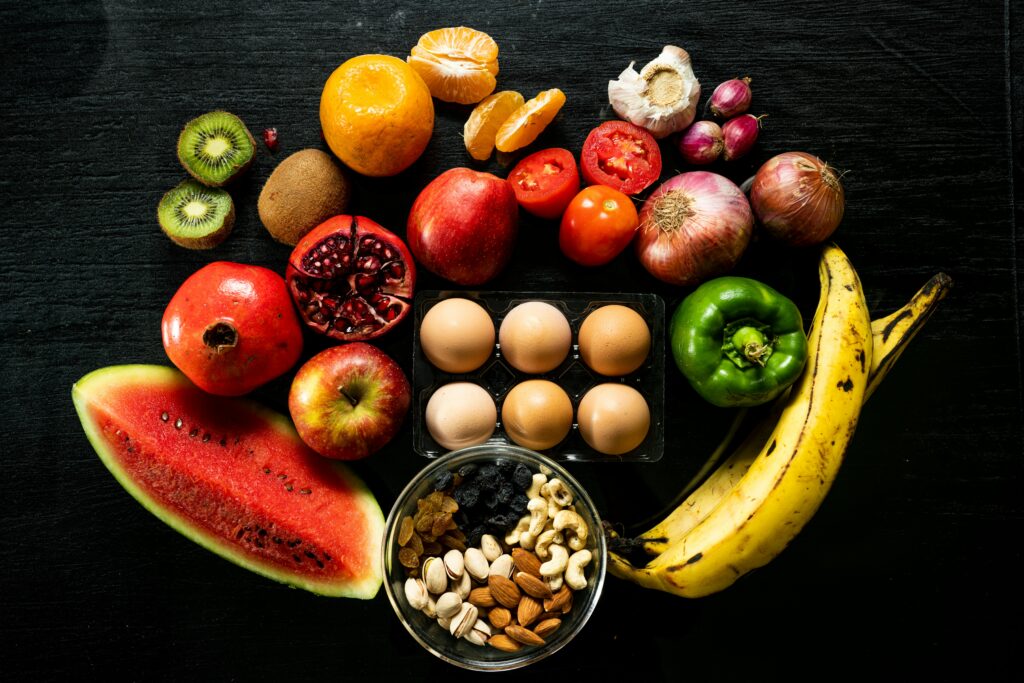
Why Immune Health Still Matters in 2026
The pandemic may be in the rearview for many, but global health concerns haven’t hit pause. From seasonal respiratory viruses to rising antibiotic resistance, our bodies are still on the frontlines. That’s left more people digging into everyday wellness not out of fear, but out of habit shift. Immune health has finally moved out of the reactive zone and into routine maintenance.
Nutrition plays a long game. What you eat daily shapes how your immune system responds when it’s needed most. Micronutrients, gut health, and inflammation control don’t just influence short term sickness but define long term resilience. It’s simple math: steady input of immune supporting foods gives your body a baseline advantage.
That’s why natural immune boosters still matter. They’re not fringe. They’re backed by solid science allicin in garlic, curcumin in turmeric, and the gut friendly bugs in yogurt, to name a few. These aren’t magic bullets, but they stack up. In a world that keeps throwing curveballs, having your immune system ready isn’t a trend. It’s a strategy.
Garlic
Garlic has been used for centuries, and modern science backs its status as a legit immune boosting superfood. The active compound? Allicin. It’s what gives fresh garlic that punchy smell and it’s also what delivers proven antimicrobial effects. Allicin fights off bacteria, viruses, and even some fungi, making it a solid, natural defense ally.
But here’s the kicker: allicin doesn’t hold up well under heat. If you’re cooking garlic until it’s golden and soft, you’re probably losing most of its punch. For best results, use it raw think minced into salad dressings, stirred into dips, or added to toast just before serving. If you’re cooking it, keep the heat gentle and the time short. When it comes to garlic, raw and quick cooked wins the immunity race.
Ginger
A Natural Anti Inflammatory Powerhouse
Ginger has long been celebrated for its medicinal properties and modern research confirms its role in immune health. Rich in compounds like gingerol and shogaol, ginger helps reduce inflammation throughout the body, creating a more favorable environment for immune cells to function.
Contains potent anti inflammatory and antioxidant compounds
Helps regulate the body’s inflammatory response
Supports overall immune system function by reducing oxidative stress
Infection Fighter and Gut Soother
Beyond its well known benefits for nausea and digestion, ginger also plays a role in strengthening defenses against illness. The link between gut health and immunity is well established, and ginger supports both areas simultaneously.
Helps soothe the digestive system, where a large portion of immune activity occurs
Naturally supports the body’s defenses against infections
Can be enjoyed fresh, grated into teas, added to stir fries, or blended into smoothies for daily support
Adding ginger to your daily diet isn’t just good flavor it’s foundational immune care.
Turmeric
Turmeric earns its reputation thanks to curcumin, its most active compound. Curcumin supports the immune system by tamping down chronic inflammation, which is at the root of many long term health issues. It doesn’t just calm the system it helps regulate immune response, keeping your defenses sharp without going into overdrive.
But there’s a catch: curcumin doesn’t absorb well on its own. That’s where black pepper comes in. It contains piperine, which can boost the absorption of curcumin by up to 2,000%. So if you’re tossing turmeric into your meals or blending it into smoothies, a pinch of black pepper isn’t just seasoning it’s strategy.
Blueberries
Small but powerful, blueberries are loaded with flavonoids specifically anthocyanins that research links to stronger upper respiratory tract defenses. These natural compounds help regulate immune response and fight oxidative stress, making them a solid addition to any immune supportive diet.
The best part? They’re low maintenance. Toss a handful in a morning smoothie, mix into yogurt, or grab them by the handful straight from the fridge. Fresh or frozen, they deliver a consistent nutritional punch without overcomplicating your routine.
Spinach

Spinach earns its place in the immune boosting club with a solid nutrient lineup. It’s rich in vitamin C, folate, and beta carotene all of which play key roles in keeping your body’s defenses sharp. Vitamin C helps build infection fighting white blood cells. Folate supports healthy cell growth and function, while beta carotene acts as a powerful antioxidant.
A quick tip don’t overcook it. Light cooking, like steaming or sautéing for a couple of minutes, softens the leaves just enough to help your body absorb more nutrients, particularly beta carotene. Raw in a salad or lightly wilted into a stir fry, spinach is a simple addition that pulls its weight nutritionally.
For something so basic, spinach does a lot of backstage work.
Greek Yogurt
Greek yogurt earns its spot on this list by doing more than just adding protein to your breakfast. It’s a natural source of probiotics live bacteria that play a major role in maintaining a healthy gut microbiome. And in case you missed the memo: your gut is deeply connected to immune function. A balanced gut can help your body detect and fight off potential threats faster.
But here’s the catch skip the versions packed with sugar or artificial flavoring. What you want is plain, unsweetened Greek yogurt with live cultures clearly listed on the label. It might taste more tart, but you can sweeten it naturally with fruit or a drizzle of honey. The point is to feed your body what it really needs, not just what tastes good out of the package.
Citrus Fruits
Vitamin C still pulls weight when it comes to immune support and citrus fruits deliver it in spades. This antioxidant helps stimulate the production and function of white blood cells, a frontline defense for the immune system. Think of it as fuel for your internal security team.
Oranges, grapefruits, lemons, and limes are easy to work into your daily routine. Squeeze fresh lemon into hot water in the morning, snack on an orange in the afternoon, or toss grapefruit segments into a salad. These fruits aren’t just bright and refreshing they’re a daily habit worth keeping.
Almonds
Almonds might look like a simple snack, but they’re carrying serious immune support in every bite. They’re one of the best natural sources of vitamin E, a fat soluble antioxidant that helps keep your immune cells functioning properly. Vitamin E doesn’t get as much attention as vitamin C, but it plays a key role in protecting cells from damage and supporting your body’s defense system.
You don’t need to overthink it. About 15 to 20 almonds a day roughly a small handful gives most adults what they need. Stick to plain, unsalted versions to avoid the extra additives. Toss them in oatmeal, keep a bag in your desk, or eat them straight. Clean, easy nutrition that works.
Green Tea
Green tea earns its reputation in the world of immune supportive food for two main reasons: L theanine and catechins. These compounds help boost the immune system by improving the body’s ability to fend off viruses and bacteria. Catechins particularly EGCG have been studied for their antiviral properties, while L theanine supports immune cell activity and stress resilience.
If you’re looking for extra hydration without the caffeine hit, look for decaf or herbal green tea blends. Many keep the immunity benefits intact while letting you sip throughout the day. Whether hot or iced, green tea is an easy and effective addition to your wellness routine.
Mushrooms (like Shiitake & Maitake)
Mushrooms have been used medicinally for centuries, and modern science is catching up. Varieties like shiitake, maitake, and reishi are natural sources of beta glucans complex sugars that help modulate the immune system. These compounds don’t just stimulate immune activity; they help balance it, making your body more responsive without overreacting. That’s key for real, lasting immune support.
In the kitchen, mushrooms pull double duty. They’re easy to fold into soups, stir fries, or grain bowls. Need a meat swap? Their umami depth makes them a solid stand in. Whether you’re eating plant based or just trying to rotate in more whole foods, mushrooms are low effort, high impact. A few servings a week can go a long way.
Making Superfoods Work for Your Routine
Filling your kitchen with immune boosting ingredients is a great first step but turning those into consistent daily habits takes strategy. The key is blending variety, convenience, and intentional planning.
Meal Planning with Purpose
Instead of scrambling to assemble healthy meals each day, set aside time weekly to plan simple, nutritious combinations. This reduces stress and makes it easier to eat with consistency.
Tips for Smart Superfood Planning:
Batch prep ingredients like garlic, ginger, and spinach for quick use throughout the week
Mix and match: Combine citrus fruits and almonds for an on the go boost
Double duty meals: Add turmeric and mushrooms to soups or stews that can stretch over multiple days
Stay Balanced Without Overthinking
You don’t need to overhaul your entire diet. Instead, focus on making small, sustainable swaps that integrate immuno supportive foods into what you already eat.
Simple daily enhancements:
Swap sugary yogurts for unsweetened Greek yogurt with blueberries
Use green tea as a base for smoothies or to replace your second cup of coffee
Add a citrus squeeze to sauces, marinades, or salad dressings
Eat with Intention
Healthy eating isn’t just about the ingredients it’s also about mindset. Make meals a moment to fuel your body and support your long term wellness.
Explore more ways to streamline your approach: Meal Planning for Success: Tips to Save Time and Eat Healthier
 Julianne Seamanstin is the kind of writer who genuinely cannot publish something without checking it twice. Maybe three times. They came to fitness routines and workouts through years of hands-on work rather than theory, which means the things they writes about — Fitness Routines and Workouts, Expert Wellness Insights, Holistic Health Approaches, among other areas — are things they has actually tested, questioned, and revised opinions on more than once.
That shows in the work. Julianne's pieces tend to go a level deeper than most. Not in a way that becomes unreadable, but in a way that makes you realize you'd been missing something important. They has a habit of finding the detail that everybody else glosses over and making it the center of the story — which sounds simple, but takes a rare combination of curiosity and patience to pull off consistently. The writing never feels rushed. It feels like someone who sat with the subject long enough to actually understand it.
Outside of specific topics, what Julianne cares about most is whether the reader walks away with something useful. Not impressed. Not entertained. Useful. That's a harder bar to clear than it sounds, and they clears it more often than not — which is why readers tend to remember Julianne's articles long after they've forgotten the headline.
Julianne Seamanstin is the kind of writer who genuinely cannot publish something without checking it twice. Maybe three times. They came to fitness routines and workouts through years of hands-on work rather than theory, which means the things they writes about — Fitness Routines and Workouts, Expert Wellness Insights, Holistic Health Approaches, among other areas — are things they has actually tested, questioned, and revised opinions on more than once.
That shows in the work. Julianne's pieces tend to go a level deeper than most. Not in a way that becomes unreadable, but in a way that makes you realize you'd been missing something important. They has a habit of finding the detail that everybody else glosses over and making it the center of the story — which sounds simple, but takes a rare combination of curiosity and patience to pull off consistently. The writing never feels rushed. It feels like someone who sat with the subject long enough to actually understand it.
Outside of specific topics, what Julianne cares about most is whether the reader walks away with something useful. Not impressed. Not entertained. Useful. That's a harder bar to clear than it sounds, and they clears it more often than not — which is why readers tend to remember Julianne's articles long after they've forgotten the headline.