
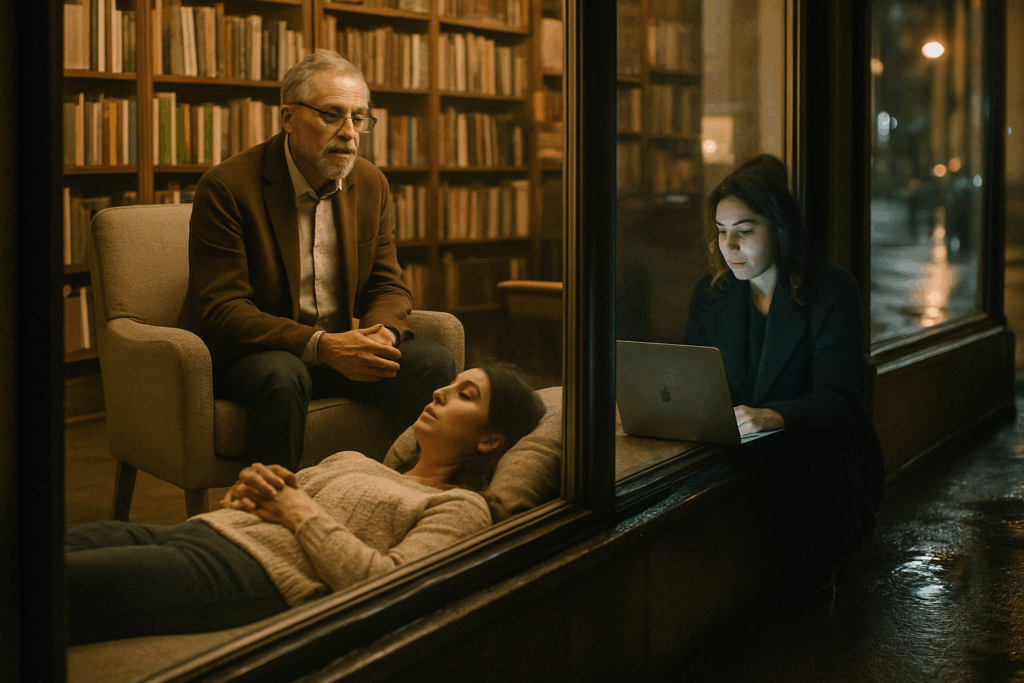
What’s Driving the Shift in 2026
Online mental health care isn’t a novelty anymore. Since 2020, virtual therapy has gone from a temporary workaround to a permanent fixture. What started as a crisis solution is now a viable, regulated, and accepted form of treatment across much of the world. Laws have adapted, platforms have matured, and a growing number of therapists offer full or hybrid digital services.
The momentum isn’t slowing. People want care that meets them where they already are at home, between jobs, during commutes, or outside traditional business hours. Mental health can’t wait for a Tuesday at 3PM. That’s why flexible formats, on demand support, and wider provider access are now essential parts of the landscape. This shift isn’t just about convenience. It’s about equity, consistency, and meeting real daily challenges across age groups, locations, and socioeconomic backgrounds.
Pros of Online Therapy
Online therapy has stepped up as a solid alternative to traditional counseling and for good reason.
First off, it’s far more accessible. For people in rural towns, remote areas, or anyone with limited mobility, logging into a session beats trying to get to a physical office by a long shot. Add to that the convenience no travel time, no waiting room small talk, and fewer calendar headaches. You can talk to your therapist from your kitchen table or during your lunch break if that’s what fits.
Then there’s privacy. You skip awkward lobby encounters and minimize visual stigma, which matters for a lot of people still hesitant about getting help. And because geography isn’t a barrier anymore, you’ve got access to a wider pool of therapists. Specialists in trauma, LGBTQ+ issues, or niche treatment styles are no longer limited to your zip code.
The bottom line? Online options open doors for more people to get the help they need, on their own terms.
Cons of Online Therapy
Online therapy makes mental health support more accessible but it’s not without its drawbacks.
First off, there’s a tech hurdle. You need a stable internet connection and a device that can handle video calls. For some, that’s a non issue. For others especially in rural areas or low income households it’s a deal breaker. Then there’s the comfort factor: not everyone feels at ease troubleshooting apps or logging into sessions from a laptop.
Another blind spot? Nonverbal cues. Facial expressions, body language, and even subtle shifts in tone can get lost through a screen. That might not matter in every session, but in emotionally dense conversations, it can create distance.
In urgent cases, virtual care just doesn’t cut it. If someone’s in crisis or dealing with suicidal thoughts, online therapy isn’t equipped to respond in real time. Emergency support systems simply aren’t built into most platforms.
Lastly, insurance and licensing can be a minefield. Many therapists are only cleared to practice in specific states, even virtually. Plus, not all insurance plans cover teletherapy leaving some clients to foot the full bill or skip care entirely.
For all its convenience, online therapy still has real structural gaps. Knowing them means you can plan around them or decide when it’s time to go offline.
Pros of In Person Counseling

For many, sitting across from a therapist in a dedicated, distraction free environment offers emotional advantages that digital tools can’t quite replicate. In person counseling presents unique benefits, particularly for individuals managing more complex or deeply personal issues.
Stronger Therapeutic Connection
Enhanced Trust and Presence: Sharing physical space often helps build rapport faster. Eye contact, subtle gestures, and natural pauses all contribute to a richer emotional connection.
Greater Emotional Support: Being physically near someone during a vulnerable session can reinforce feelings of safety and validation.
Distraction Free Environment
Neutral Setting: Counselling offices are designed to create comfort and focus, offering a calm, private space away from the distractions of home life.
Structured Time and Space: The act of traveling to a session and committing to that specific moment can improve mental preparation and engagement.
Better for Complex or Specialized Care
Trauma and Somatic Therapies: Some therapeutic methods, such as EMDR or other body centered practices, benefit from in person facilitation and observation.
Group and Family Sessions: Group dynamics and body language cues are easier to manage when participants share the same physical space.
Highly Sensitive Issues: Clients tackling deep seated concerns may find in person support more grounding and effective.
While not the default for everyone, in person therapy remains an essential option especially when depth, nuance, and specialized support are priorities.
Cons of In Person Counseling
Getting to a therapist’s office can be a challenge of its own. Commutes eat up time. If you’re working a 9 to 5 or balancing childcare, squeezing in a session means rearranging your day or skipping altogether. That alone can make in person therapy feel out of reach for a lot of people.
Availability is another hurdle. In smaller towns or rural areas, there simply aren’t enough therapists to meet demand. Even in cities, good providers often have waitlists. For someone needing consistent care, that kind of delay is more than inconvenient it’s a barrier to getting better.
Then there’s the visibility factor. Some folks avoid in person counseling because they don’t want to be seen walking into a mental health clinic. Whether it’s a small town dynamic or just personal privacy, the fear of judgment is real. Online therapy sidesteps that, but in person, it’s part of the deal.
All three add friction to getting help and for many, it’s enough to pause or give up altogether.
Choosing What Works for You
The right therapy format isn’t one size fits all. Your lifestyle, comfort level, and mental health needs all factor in. If you travel a lot, live in a rural area, or just want low key access, online therapy might feel like a natural fit. If you’re working through deep rooted trauma or want that in room energy and connection, in person might serve you better.
A blended model can give you a bit of both worlds zoom sessions when life’s busy, and the occasional in office meetup when something heavier needs attention. The key is to choose what makes you feel supported and actually works with how you live.
To better understand how therapy can help with common concerns, read Understanding Anxiety Disorders and How to Manage Them.
 Julianne Seamanstin is the kind of writer who genuinely cannot publish something without checking it twice. Maybe three times. They came to fitness routines and workouts through years of hands-on work rather than theory, which means the things they writes about — Fitness Routines and Workouts, Expert Wellness Insights, Holistic Health Approaches, among other areas — are things they has actually tested, questioned, and revised opinions on more than once.
That shows in the work. Julianne's pieces tend to go a level deeper than most. Not in a way that becomes unreadable, but in a way that makes you realize you'd been missing something important. They has a habit of finding the detail that everybody else glosses over and making it the center of the story — which sounds simple, but takes a rare combination of curiosity and patience to pull off consistently. The writing never feels rushed. It feels like someone who sat with the subject long enough to actually understand it.
Outside of specific topics, what Julianne cares about most is whether the reader walks away with something useful. Not impressed. Not entertained. Useful. That's a harder bar to clear than it sounds, and they clears it more often than not — which is why readers tend to remember Julianne's articles long after they've forgotten the headline.
Julianne Seamanstin is the kind of writer who genuinely cannot publish something without checking it twice. Maybe three times. They came to fitness routines and workouts through years of hands-on work rather than theory, which means the things they writes about — Fitness Routines and Workouts, Expert Wellness Insights, Holistic Health Approaches, among other areas — are things they has actually tested, questioned, and revised opinions on more than once.
That shows in the work. Julianne's pieces tend to go a level deeper than most. Not in a way that becomes unreadable, but in a way that makes you realize you'd been missing something important. They has a habit of finding the detail that everybody else glosses over and making it the center of the story — which sounds simple, but takes a rare combination of curiosity and patience to pull off consistently. The writing never feels rushed. It feels like someone who sat with the subject long enough to actually understand it.
Outside of specific topics, what Julianne cares about most is whether the reader walks away with something useful. Not impressed. Not entertained. Useful. That's a harder bar to clear than it sounds, and they clears it more often than not — which is why readers tend to remember Julianne's articles long after they've forgotten the headline.