

Clear Red Flags You Shouldn’t Ignore
Burnout doesn’t crash in it creeps. One day you’re pushing through a long to do list, and the next, you’re dragging yourself out of bed even after a full night’s sleep. This kind of exhaustion doesn’t go away with a nap or a weekend off. It’s baked into your system.
Mentally, things start slipping. Tasks you’ve done a thousand times feel foggy. You walk into rooms and forget why. Conversations blur. You might start to feel disconnected from work, from people you care about, even from yourself. Emotionally flat. Like you’re going through the motions on autopilot.
Then comes the irritability. The little things start setting you off emails, noise, even a minor request from a coworker. Anxiety kicks in for no obvious reason. You’re less patient. Less focused. Less yourself.
Your body’s not silent either. Headaches hit more often. Your digestion turns temperamental. Maybe you’ve been sick more than usual, or just feeling off in a way that’s hard to name.
These are not random symptoms. They’re signals. Bodies and brains have limits. Burnout ignores them until it can’t.
Why Burnout Hits Harder in 2026
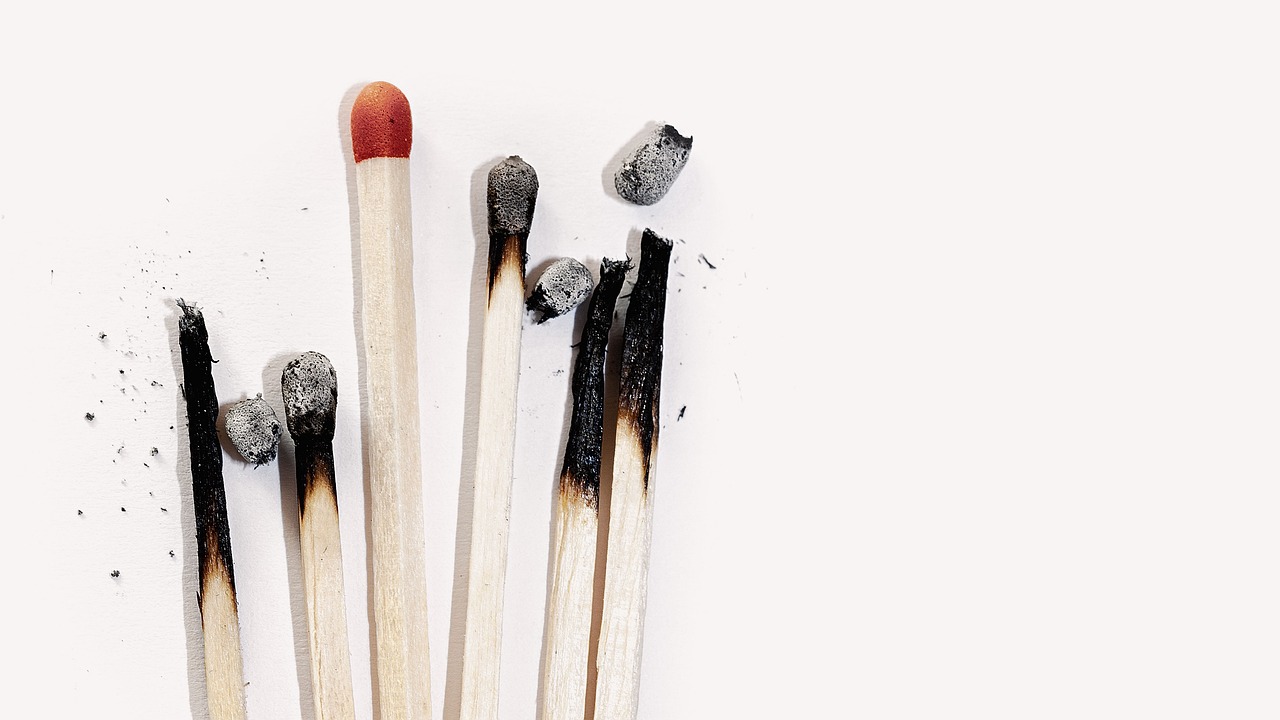
Burnout isn’t new but in 2026, it’s more aggressive and widespread than ever. Several cultural and economic shifts have collided to create a perfect storm for chronic stress, emotional fatigue, and physical depletion.
The ‘Always On’ Trap
Remote and digital work, once seen as a perk, now blurs the line between productivity and overexertion.
Constant access to work tools leads to poorly defined work hours
Expectations of instant replies even outside office time
Meetings spread across time zones with little regard for rest cycles
Where Work and Life Overlap (Too Much)
The home became the office, and the office never leaves. As a result:
Workspaces intrude on personal space literally and mentally
Time for rest, family, and creativity shrinks
The pressure to “prove you’re working” replaces real output with performance
Economic and Social Pressure Cooker
External circumstances have raised the stakes for everyone:
Rising cost of living encourages longer hours and side hustles
Fear of instability pushes people toward constant overachievement
Social media showcases curated success, fueling comparison and urgency
Vulnerable Groups: The Hidden High Risk Zones
Burnout doesn’t affect everyone equally. Some groups are especially susceptible:
High achievers constantly chase goals with little room for rest
Caregivers and parents give to others before they refill their own cup
People in mission driven fields often sacrifice balance for purpose
Recognizing how these systemic patterns impact well being is the first step in reclaiming control. Burnout isn’t a personal failure it’s a response to an unsustainable culture. The good news? Recovery starts with awareness.
Reconnect With Purpose
Burnout strips meaning from everything. To recover fully, you have to find your way back to what feels real. Start by auditing your life explore what (and who) you’re showing up for. Are your values still aligned with the way you’re spending your time? If not, it’s time to recalibrate.
Be ruthless about what no longer fits. Some tasks, expectations, or relationships may need to go. This isn’t about giving up it’s about clearing space to breathe again. Letting go doesn’t make you weak. It makes you honest.
Then, reconnect with the parts of yourself that exist outside of productivity. That could be painting, hiking, playing piano badly, or just sitting in silence. Not everything needs to turn into a side hustle. The goal isn’t output it’s aliveness.
Burnout Recovery Is a Long Game
You didn’t burn out overnight, and you won’t snap back overnight either. Healing is a slow rebuild, not a sprint. There’s no medal for powering through exhaustion. Give yourself full permission to pause not a weekend off, not a fake break while still checking emails a real pause.
Recovery in 2026 means rethinking your entire operating system. What’s been running in the background too long? What habits, roles, or pressures do you need to uninstall? This isn’t a call to quit your job or abandon your goals. It’s a shift from performing to living. From pushing harder to dialing in.
The hard truth: nothing changes if you don’t.
Leadership now whether in your career, community, or household doesn’t come from speed, burnout, or perfection. It comes from pace, clarity, and care. You can still be driven, but let that drive be rooted in sustainability, not survival.
 Ask Cindiy Jensenialez how they got into wellness tips and strategies and you'll probably get a longer answer than you expected. The short version: Cindiy started doing it, got genuinely hooked, and at some point realized they had accumulated enough hard-won knowledge that it would be a waste not to share it. So they started writing.
What makes Cindiy worth reading is that they skips the obvious stuff. Nobody needs another surface-level take on Wellness Tips and Strategies, Mental Health Resources, Fitness Routines and Workouts. What readers actually want is the nuance — the part that only becomes clear after you've made a few mistakes and figured out why. That's the territory Cindiy operates in. The writing is direct, occasionally blunt, and always built around what's actually true rather than what sounds good in an article. They has little patience for filler, which means they's pieces tend to be denser with real information than the average post on the same subject.
Cindiy doesn't write to impress anyone. They writes because they has things to say that they genuinely thinks people should hear. That motivation — basic as it sounds — produces something noticeably different from content written for clicks or word count. Readers pick up on it. The comments on Cindiy's work tend to reflect that.
Ask Cindiy Jensenialez how they got into wellness tips and strategies and you'll probably get a longer answer than you expected. The short version: Cindiy started doing it, got genuinely hooked, and at some point realized they had accumulated enough hard-won knowledge that it would be a waste not to share it. So they started writing.
What makes Cindiy worth reading is that they skips the obvious stuff. Nobody needs another surface-level take on Wellness Tips and Strategies, Mental Health Resources, Fitness Routines and Workouts. What readers actually want is the nuance — the part that only becomes clear after you've made a few mistakes and figured out why. That's the territory Cindiy operates in. The writing is direct, occasionally blunt, and always built around what's actually true rather than what sounds good in an article. They has little patience for filler, which means they's pieces tend to be denser with real information than the average post on the same subject.
Cindiy doesn't write to impress anyone. They writes because they has things to say that they genuinely thinks people should hear. That motivation — basic as it sounds — produces something noticeably different from content written for clicks or word count. Readers pick up on it. The comments on Cindiy's work tend to reflect that.