

Why Meal Planning Still Works in 2026
The Reality: Higher Costs and Packed Schedules
Inflation and post pandemic supply chain shifts have made food prices unpredictable. At the same time, modern schedules are busier than ever. Between work, family obligations, and social demands, many people find themselves opting for expensive takeout or last minute meals with poor nutrition.
Grocery bills continue to rise in urban and suburban areas
Families are eating out more frequently often at the cost of nutrition
Time squeezed individuals are struggling to plan ahead
Meal Planning: A Timeless Strategy With Tangible Results
Meal planning remains one of the most effective ways to regain control over both your diet and your budget. By setting aside a little time to plan your meals for the week, you can:
Reduce daily mealtime stress
Cut back on impulse purchases and wasted food
Make healthier food choices with less effort
The Numbers Don’t Lie
Food waste is not just an environmental concern it’s a financial one. In 2025, the average household wasted nearly $1,200 worth of groceries annually, much of it due to poor meal planning or overbuying.
How meal planning helps minimize waste:
Shopping with a plan means fewer forgotten ingredients in the fridge
Planned meals = predictable portions and fewer leftovers tossed
Rotating ingredients across multiple meals increases efficiency
With just an hour of planning each week, many households report better nutrition, lower costs, and less mealtime stress. It’s a small habit that brings big results.
Start with Smart Grocery Strategies
Effective meal planning begins at the store but smart planning starts well before you even make your list. By focusing on what you already have, what’s on sale, and what’s in season, you can save money and reduce food waste while making weeknight dinners a breeze.
Build Your Plan with Purpose
Instead of starting with recipes, start with resources:
Inventory your pantry and freezer: Know what ingredients you already have to avoid duplicate purchases.
Check weekly store flyers: Build meals around discounts on protein, produce, and staples.
Go seasonal: In season produce is not only more affordable but also fresher and more flavorful.
Cook Ingredients, Not Just Meals
Batch cooking doesn’t have to mean eating the same dish five days in a row. Instead, prep a few versatile ingredients you can mix and match throughout the week:
Cook a large batch of grains: rice, quinoa, or couscous
Roast a sheet pan of mixed vegetables
Prepare a protein or plant based main in bulk (chicken breast, beans, tofu)
These ready to go components make it easy to build meals without starting from scratch every day.
Time Saving Kitchen Habits
Make your kitchen work harder for you with small efficiencies that add up.
Set a prep day: Spend one hour prepping ingredients on the weekend or during a slow evening
Use storage wisely: Store ingredients in clear containers so you see what you have
Double up: Cook double portions of sauces or grains and freeze half for a future week
The goal isn’t to cook everything in advance it’s to reduce daily decision fatigue and set yourself up for easier, healthier choices.
Balance Convenience with Nutrition
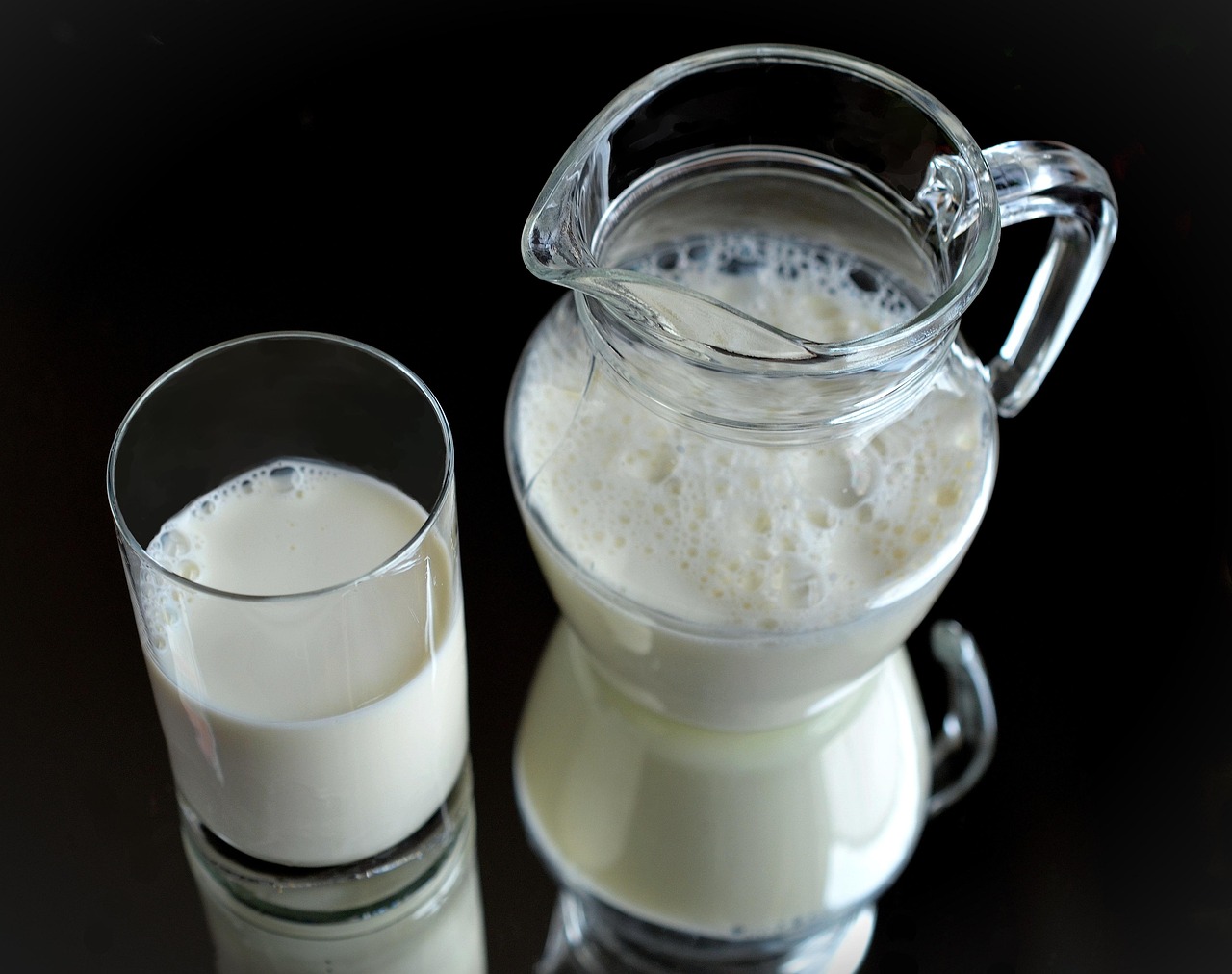
Eating well doesn’t have to mean doubling your time in the kitchen. When you’re short on time but want to make better choices, start by upgrading what’s already in your routine. Swap out chips for roasted chickpeas. Use plain Greek yogurt instead of sour cream. Go for frozen veggies they’re picked at peak freshness and ready in minutes.
One trick that works: pair shelf stable items like canned beans, quinoa, or whole grain pasta with fresh produce or pre cooked proteins. Toss cooked lentils with pre washed greens and a boiled egg, and you’ve got a balanced meal in under ten minutes.
As for portions, you don’t need a scale or spreadsheet. Use visual cues a plate that’s half vegetables, a palm sized protein, and a fist of carbs is a solid starting point. Keep it practical. Adjust from there.
If label reading feels like a chore, it gets easier with a few basics. Focus on added sugars, sodium, and serving size. Once you spot the patterns, you’ll shop smarter without the guesswork. Check out How to Read Nutrition Labels for Better Food Choices to brush up.
Nutrition isn’t about being perfect. It’s about making better decisions with what you’ve got in front of you.
Tools That Make it Easier
There’s no shortage of tools promising to make meal planning a breeze. The good news: some of the best ones don’t cost a dime. Apps like Mealime, Carb Manager, and Cronometer let you build meal plans, track macros, and generate grocery lists without the clutter. For spreadsheet lovers, Google Sheets has dozens of free templates created by nutritionists and busy home cooks alike customizable, flexible, and easy to share.
AI meal planners are the new kids on the block. Tools like Whisk, Eat This Much, or Forks Over Knives can whip up recipes in seconds based on your dietary goals, ingredients on hand, and time limits. Handy? Absolutely. But it’s easy to fall into auto mode and lose track of your actual nutrition needs. Use AI for structure, not control. Sanity check its suggestions before you eat the same macros three days straight.
And if you’ve got room in the budget, investing in a few smart kitchen gadgets can pay off. A digital food scale makes portioning less guesswork. An Instant Pot or air fryer cuts meal prep time practically in half. Even a magnetic meal planner for your fridge can help you or your kids stick to the plan without a second thought. The key: let tech help, but don’t let it take over your habits.
Consistency Beats Perfection
You don’t need a week’s worth of pre portioned containers staring back at you every Sunday night to stay on track. The truth is, consistent effort beats over the top planning every time. If you’ve got one or two meals ready and a loose outline for the rest, you’re doing enough. Not every meal needs to be prepped in advance sometimes just knowing what’s for dinner takes the edge off.
Fell off the wagon this week? Skip the guilt spiral. Restart with something small: prep tomorrow’s breakfast, jot down a few dinner ideas, use leftovers creatively. Momentum builds from small wins, not all or nothing thinking.
And flexibility matters especially for people managing more than their own plates. Families can benefit from modular meal components (think: roasted veggies, cooked grains, proteins) everyone can assemble their own way. Solo eaters? Lean into repeating a few favorites and rotating sauces or sides to keep things interesting. If you’re plant based, the key is bulk prepping the staples lentils, tofu, roasted heartier veg so you have a base to build meals off of, rather than reinvent the wheel each night.
The bottom line: meal planning doesn’t have to be rigid. It just has to work for you.
Final Reminder: Keep It Real
Let go of the idea that meal planning has to be flawless. You’re not training for a nutrition Olympics. The point isn’t to follow some rigid set of rules it’s to build systems that actually make your life easier. Sustainable beats perfect every time.
If meal prep feels like a second job, something’s off. It should work with your routines, not fight them. That might mean prepping just three lunches for the week, or jotting down your grocery list based on what’s in the fridge and on sale.
Start small. One meal. One habit. Get better, get faster, and tweak as you go. Consistency is built in the mess, not from chasing a flawless spreadsheet or Instagram worthy containers. The goal is to eat well on your terms.
 Vorric Orrendale is the kind of writer who genuinely cannot publish something without checking it twice. Maybe three times. They came to holistic health approaches through years of hands-on work rather than theory, which means the things they writes about — Holistic Health Approaches, Wellness Tips and Strategies, Nutrition and Healthy Eating, among other areas — are things they has actually tested, questioned, and revised opinions on more than once.
That shows in the work. Vorric's pieces tend to go a level deeper than most. Not in a way that becomes unreadable, but in a way that makes you realize you'd been missing something important. They has a habit of finding the detail that everybody else glosses over and making it the center of the story — which sounds simple, but takes a rare combination of curiosity and patience to pull off consistently. The writing never feels rushed. It feels like someone who sat with the subject long enough to actually understand it.
Outside of specific topics, what Vorric cares about most is whether the reader walks away with something useful. Not impressed. Not entertained. Useful. That's a harder bar to clear than it sounds, and they clears it more often than not — which is why readers tend to remember Vorric's articles long after they've forgotten the headline.
Vorric Orrendale is the kind of writer who genuinely cannot publish something without checking it twice. Maybe three times. They came to holistic health approaches through years of hands-on work rather than theory, which means the things they writes about — Holistic Health Approaches, Wellness Tips and Strategies, Nutrition and Healthy Eating, among other areas — are things they has actually tested, questioned, and revised opinions on more than once.
That shows in the work. Vorric's pieces tend to go a level deeper than most. Not in a way that becomes unreadable, but in a way that makes you realize you'd been missing something important. They has a habit of finding the detail that everybody else glosses over and making it the center of the story — which sounds simple, but takes a rare combination of curiosity and patience to pull off consistently. The writing never feels rushed. It feels like someone who sat with the subject long enough to actually understand it.
Outside of specific topics, what Vorric cares about most is whether the reader walks away with something useful. Not impressed. Not entertained. Useful. That's a harder bar to clear than it sounds, and they clears it more often than not — which is why readers tend to remember Vorric's articles long after they've forgotten the headline.