
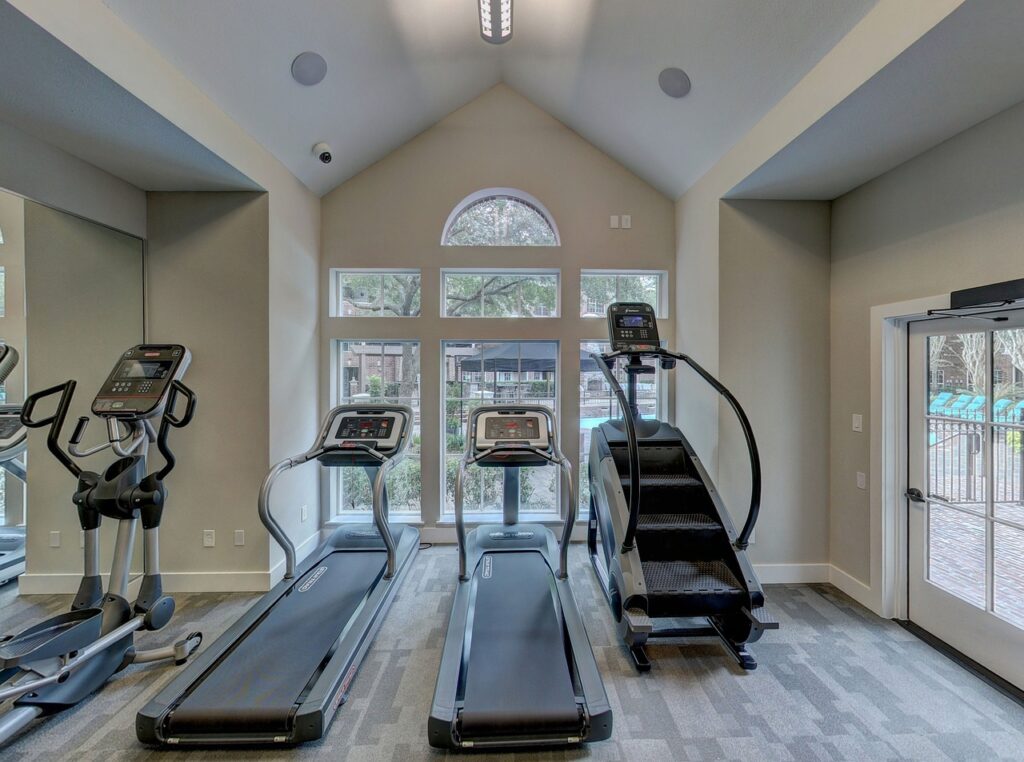
Why 20 Minutes is Enough in 2026
The idea that workouts need to be long to be effective is outdated. Modern research makes a clear case: short, focused sessions when done right deliver serious results. High intensity training in 20 minutes can spike your heart rate, challenge your muscles, and light up your metabolism all at once.
For professionals juggling meetings, deadlines, and family, time is scarce. That’s why consistency matters more than duration. A 20 minute sweat session three to four times a week does more over the long haul than one hour grinds that always get canceled. It’s about building a repeatable habit, not chasing perfection.
And the payoff? You won’t just see the difference you’ll feel it. Regular short workouts improve focus, elevate energy, and help build real strength. All in less time than it takes to scroll your phone between meetings. Efficiency isn’t just a productivity hack. It’s a fitness strategy that works.
Structuring Your 20 Minute Routine
Even with limited time, a smart structure ensures your 20 minute workout is effective, energizing, and sustainable.
The Core Formula
To get the most out of your session, break it down strategically:
Warm Up (2 3 minutes)
Jumping jacks, arm circles, dynamic stretches
Purpose: elevate heart rate, loosen joints, activate muscles
Workout Block (15 minutes)
Use intervals, circuits, or flows to focus your efforts
Time efficient formats: AMRAP (as many rounds as possible), EMOM (every minute on the minute), or timed sets
Cool Down (2 minutes)
Light movement followed by static stretching
Helps reduce soreness, stabilize heart rate, and support flexibility
Pick Your Format
Different goals call for different formats. Choose based on your mood, schedule, and recovery needs:
HIIT (High Intensity Interval Training)
Great for burning fat, boosting cardio, and maximizing calorie burn
Ideal when you want to move intensely with short rest periods
Strength Circuits
Focused on building muscle endurance and tone
Typically uses bodyweight or minimal equipment exercises
Mobility & Flow Sessions
Improves flexibility and joint health
Excellent for recovery days or low stress movement
Weekly Planning Tips
Consistency beats intensity alone. Maintain variety and recovery with a balanced weekly layout:
3 4 Days of Primary Workouts
Mix of HIIT, strength, or hybrid sessions
1 2 Mobility or Active Recovery Days
Yoga, stretching, or low impact routines
1 Day Fully Off
Let your body reset rest is part of progress
By rotating your focus and listening to your body, your 20 minute workouts can become a long term, high reward routine.
Workout Option 1: Strength & Cardio Hybrid Circuit
This one hits everything: strength, cardio, and core all in 20 minutes. You won’t need much. Maybe a resistance band or a pair of dumbbells. The rest is your body and the will to move.
Here’s the structure: five moves, 40 seconds on, 20 seconds off. Cycle through them 3 4 times, depending on your pace.
Squats
Push ups
Jumping Lunges
Rows (use bands or weights)
Plank Hold
This combo keeps your heart rate up while working major muscle groups. The push pull balance (like squats vs. rows) builds functional strength and keeps you from burning out one muscle group too early. The plank? That’s your gut check it finishes each round with stability and control.
It’s fast. It’s gritty. And it works. You’re building stamina while dialing up lean muscle in the process.
Want the science behind it? Check out Benefits of Combining Strength and Cardio in Your Weekly Plan.
Workout Option 2: No Equipment HIIT Blast

No gym? No excuses. This no equipment HIIT (High Intensity Interval Training) session is perfect for anyone tight on space or always on the go. Whether you’re crammed into a hotel room or carving out five feet of living room floor, these exercises deliver a serious burn in no time.
Each move hits hard and fast. Here’s a typical sample set:
Burpees
Mountain climbers
High knees
Jump squats
Cycle through each exercise for 30 45 seconds of work, followed by 15 30 seconds of rest. Repeat for 3 4 rounds, depending on your fitness level. You’ll be drenched and breathless before your next calendar alert even goes off.
This routine keeps your heart rate up, drives calorie burn, and boosts stamina. Minimal space, no gear, just grit. Get in, get done, move on.
Workout Option 3: Low Impact Full Body Burn
Not every workout has to leave you gasping to be effective. This option is built for beginners or anyone needing a gentler approach whether you’re recovering, dealing with joint sensitivity, or just getting started with movement again.
Think solid core engagement with moves like modified planks and glute bridges. Add static strength with wall sits, and sprinkle in controlled cardio using slow mountain climbers. It’s all low impact, but don’t mistake that for easy. Your legs will tremble. Your core will engage. And you’ll feel the burn without the joint stress.
This routine works because it builds strength where it matters most stability, balance, and functional movement. No jumping, no pounding, just efficient, smart training that respects your body while still pushing progress.
Making It Stick
Consistency doesn’t happen by accident. You’ve got to treat your 20 minute workouts like any other appointment that matters schedule them. Block out time on your calendar, set reminders, and don’t let it slide. When it’s locked in, it’s more likely to happen.
Once the clock starts, focus in. Use a timer, app, or just your phone’s stopwatch. The key is staying on task. No checking emails between sets. No scrolling when you’re supposed to be stretching. The workout is short own those minutes.
And here’s the part most people ignore: rest days. They’re not optional. Muscle grows and your body adapts when you recover. Burnout kills motivation quicker than a missed session. Build in recovery days and protect them as fiercely as your workout time.
This isn’t about crushing it once. It’s about showing up over and over again smartly.
Final Tips to Maximize Your 20
Locking in your 20 minute workouts isn’t just about what you do it’s about how you prepare and adjust over time.
First up: prep your space. Keep it simple. A mat, towel, and water bottle at arm’s reach means less friction between you and your workout. The fewer excuses, the better. Set it up once, and make it part of the routine.
Next, stop obsessing over daily numbers. Your body doesn’t work on a 24 hour performance cycle. Weekly tracking gives you a clearer view of your progress, keeps the pressure realistic, and shows trends that matter.
Lastly, change it up. Doing the same circuit over and over will get stale fast. Rotate between HIIT, strength training, and low impact sessions. It’s not just about variety for the sake of it. Your body and your brain need the challenge. This keeps you engaged, avoids plateaus, and builds all around fitness.
Efficiency doesn’t mean easy. It means smart. Show up prepared, track what counts, and keep it moving.
 Andrew E. is the kind of writer who genuinely cannot publish something without checking it twice. Maybe three times. They came to holistic health approaches through years of hands-on work rather than theory, which means the things they writes about — Holistic Health Approaches, Wellness Tips and Strategies, Nutrition and Healthy Eating, among other areas — are things they has actually tested, questioned, and revised opinions on more than once.
That shows in the work. Andrew's pieces tend to go a level deeper than most. Not in a way that becomes unreadable, but in a way that makes you realize you'd been missing something important. They has a habit of finding the detail that everybody else glosses over and making it the center of the story — which sounds simple, but takes a rare combination of curiosity and patience to pull off consistently. The writing never feels rushed. It feels like someone who sat with the subject long enough to actually understand it.
Outside of specific topics, what Andrew cares about most is whether the reader walks away with something useful. Not impressed. Not entertained. Useful. That's a harder bar to clear than it sounds, and they clears it more often than not — which is why readers tend to remember Andrew's articles long after they've forgotten the headline.
Andrew E. is the kind of writer who genuinely cannot publish something without checking it twice. Maybe three times. They came to holistic health approaches through years of hands-on work rather than theory, which means the things they writes about — Holistic Health Approaches, Wellness Tips and Strategies, Nutrition and Healthy Eating, among other areas — are things they has actually tested, questioned, and revised opinions on more than once.
That shows in the work. Andrew's pieces tend to go a level deeper than most. Not in a way that becomes unreadable, but in a way that makes you realize you'd been missing something important. They has a habit of finding the detail that everybody else glosses over and making it the center of the story — which sounds simple, but takes a rare combination of curiosity and patience to pull off consistently. The writing never feels rushed. It feels like someone who sat with the subject long enough to actually understand it.
Outside of specific topics, what Andrew cares about most is whether the reader walks away with something useful. Not impressed. Not entertained. Useful. That's a harder bar to clear than it sounds, and they clears it more often than not — which is why readers tend to remember Andrew's articles long after they've forgotten the headline.