
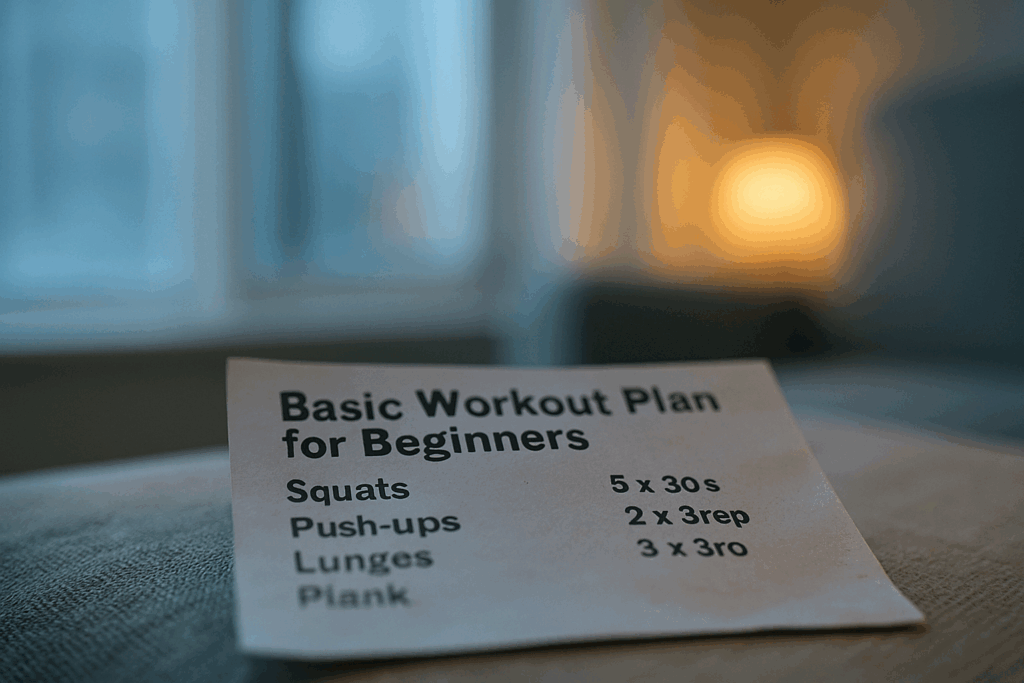
Get Clear on Your “Why”
Before you touch a dumbbell or download a workout app, get brutally honest with yourself. Why are you starting this? Forget the noise this isn’t about who you used to be, what someone else expects you to look like, or a New Year’s resolution made under pressure. It could be better energy to chase your kids around. Maybe it’s about managing stress, or feeling stronger walking up stairs. Health, confidence, stamina your reason is yours. Define it.
External pressure burns out fast. Likes and compliments won’t carry you through a cold morning workout or a week when gains feel invisible. But a strong internal reason something you really care about will. When progress stalls, when motivation dips, your “why” is the only thing that pulls you back on track.
Write it down. Say it out loud. Put it on your fridge. You don’t need it to be deep you just need it to be real.
Focus on Sustainability, Not Intensity
You don’t need to crush it on Day One. In fact, going too hard too early is one of the fastest ways to burn out or get injured. The smarter play is to start simple and stay consistent.
Your body isn’t a machine that shifts overnight. It adapts through repetition and small, steady increases. Think walking more often. Doing a few rounds of easy bodyweight exercises like squats or push ups. Light stretching before bed. That’s enough to send the signal: “Hey, we’re doing something different now.”
This early stage is about creating rhythm, not chasing results. Get used to showing up. Build the habit before worrying about intensity. Over time, you’ll earn the right to push harder. But early on, less really is more.
Build a Simple Routine That Fits Your Life
You don’t need a gym membership, a complicated plan, or an hour of free time to start getting fit. Carve out 15 to 30 minutes. That’s enough. The trick is showing up consistently, not going all out once and crashing by week two.
Pick activities you actually like bike rides, bodyweight circuits, dance workouts, yoga, whatever. If it feels like punishment, you won’t stick with it. Enjoyment builds momentum.
If your schedule’s tight, go for formats that give you bang for your buck. Think HIIT, AMRAPs, or quick full body routines. These styles maximize time without draining you. Start small, stay consistent, and keep it simple.
Suggested reading: The Best 20 Minute Home Workouts for Busy Professionals
Learn the Basics Before You Add Load
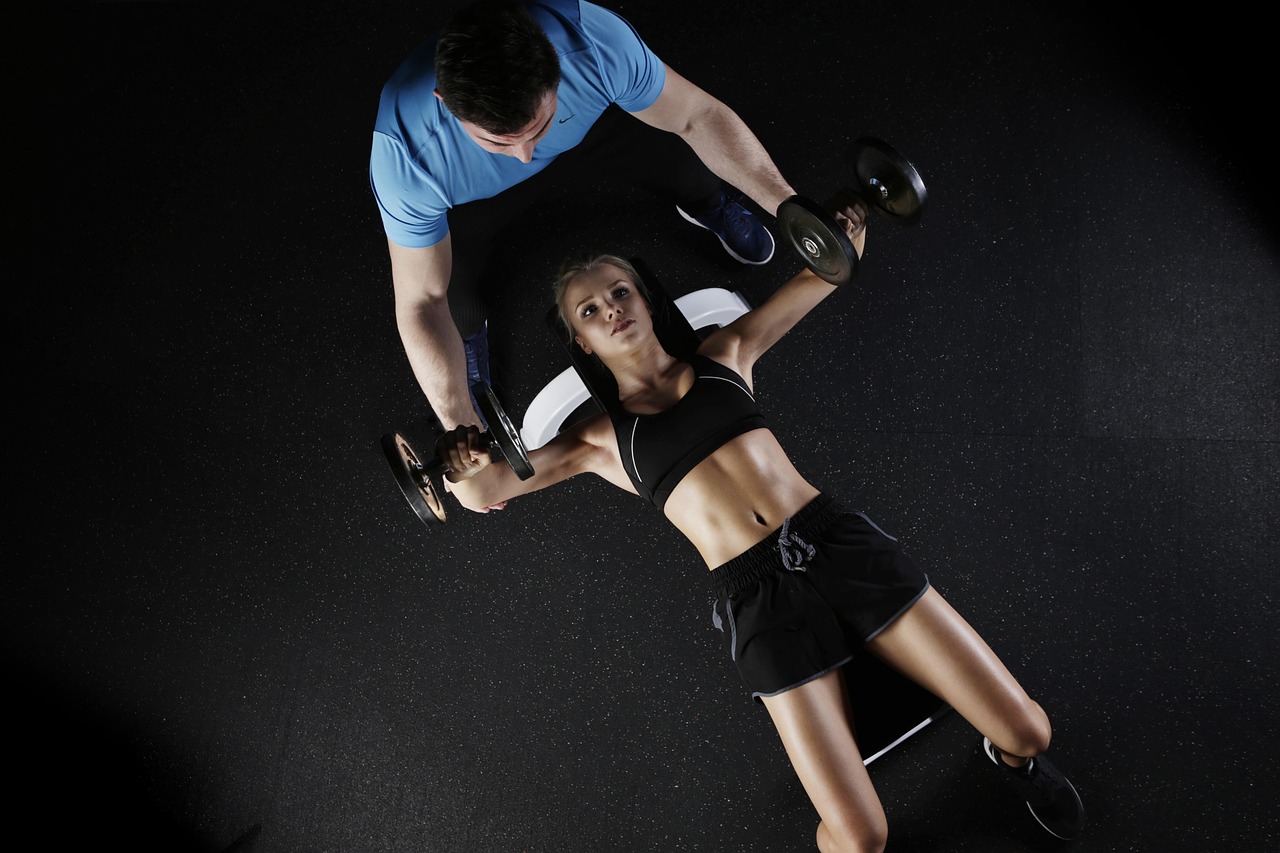
Before you grab weights or jump into advanced workouts, mastering your form should be the top priority. Poor technique not only limits progress but increases your risk of injury over time.
Master Movement Patterns First
Start with your own body weight. This helps you build foundational strength while learning proper alignment and control.
Focus on these essentials:
Squats
Push ups (or incline push ups for beginners)
Planks
Lunges
Learning these core movements lays the groundwork for everything else you’ll do later.
Skip Fancy Equipment for Now
Don’t rush to buy expensive gear or sign up for an advanced gym program. Work with what you have.
A yoga mat or clear floor space is enough
Use a chair or wall to support balance during movements
Resistance bands or light dumbbells can come later if needed
Use Trusted Tutorials or Get Help
Starting from scratch? Learning visually can help solidify proper form.
Search for beginner friendly video tutorials led by certified professionals
Pay attention to cues about posture, breathing, and movement tempo
If you can, book one session with a personal trainer to get feedback small corrections now can prevent big problems later
Taking the time to move well from the start will create a foundation you can build on safely and confidently.
Recovery Matters Just as Much as the Workout
This is the part most beginners skip and where most burn out. Recovery isn’t optional. It’s the invisible half of training, and it’s where your body actually gets stronger.
First: sleep. Get it right. Aim for deep, consistent rest. That’s when muscle repair, hormone regulation, and mental reset happen. Treat it like part of your workout schedule.
Next: hydration and stretching. Your muscles are about 75% water don’t make them do work on empty. Drink regularly, and stretch before and after workouts to keep everything moving and avoid injury.
Pay attention to soreness. A little discomfort is normal; pain isn’t. Don’t grind sore muscles into the ground. Recovery builds strength. Rest days aren’t slack days they’re load management. Use them for light walks, mobility drills, or yoga. That’s active recovery and it keeps the momentum alive without overcooking your system.
Be Patient, Track Progress, Adjust
Here’s the truth: results don’t happen overnight. You won’t see dramatic changes in a week and that’s normal. Real progress takes time, especially when it’s built on consistency rather than extreme effort. The early wins are subtler: you’re less winded, your body feels more awake, your sleep improves. Those are signs that count.
Stop obsessing over the scale. Weight can fluctuate for dozens of reasons. Instead, track what actually shows you’re getting stronger: more reps, heavier lifts, better posture, steadier mood. These are real indicators of progress your body and mind can feel.
Finally, don’t let your routine go stale. Every 4 6 weeks, take a step back. What’s working? What’s not? Your body adapts fast, so you’ll need to tweak reps, change exercises, or push the intensity just enough to keep challenging yourself. The goal is long term growth not a sprint to nowhere.
Final Words: Show Up for Yourself
You’re in This for You
Starting a fitness routine can feel intimidating especially when you think others are watching or silently judging. But here’s the truth: no one’s paying as much attention as you think. This is your journey, not theirs.
Your fitness goals should reflect your personal values and priorities
External validation is temporary internal pride is lasting
Let go of comparison; consistency is your only competition
Done is Always Better Than Perfect
Perfect form, ideal conditions, brand new gear these are nice to have, but not a requirement to start. What truly counts is showing up, even on messy, unmotivated days.
Don’t wait for the “perfect time” it rarely comes
A short, simple workout beats no workout at all
Progress comes from repetition, not perfection
Start Small. Stay Consistent. Trust the Process.
You don’t need to overhaul your life overnight. Steady, sustainable steps build lasting fitness far more effectively than brief spurts of overexertion.
Build momentum, not burnout
Track your consistency habit is more important than intensity
Remind yourself of your ‘why’ when things get hard
Stick with it. Be patient. The future version of you the stronger, healthier, more confident one is already thanking you.
 Julianne Seamanstin is the kind of writer who genuinely cannot publish something without checking it twice. Maybe three times. They came to fitness routines and workouts through years of hands-on work rather than theory, which means the things they writes about — Fitness Routines and Workouts, Expert Wellness Insights, Holistic Health Approaches, among other areas — are things they has actually tested, questioned, and revised opinions on more than once.
That shows in the work. Julianne's pieces tend to go a level deeper than most. Not in a way that becomes unreadable, but in a way that makes you realize you'd been missing something important. They has a habit of finding the detail that everybody else glosses over and making it the center of the story — which sounds simple, but takes a rare combination of curiosity and patience to pull off consistently. The writing never feels rushed. It feels like someone who sat with the subject long enough to actually understand it.
Outside of specific topics, what Julianne cares about most is whether the reader walks away with something useful. Not impressed. Not entertained. Useful. That's a harder bar to clear than it sounds, and they clears it more often than not — which is why readers tend to remember Julianne's articles long after they've forgotten the headline.
Julianne Seamanstin is the kind of writer who genuinely cannot publish something without checking it twice. Maybe three times. They came to fitness routines and workouts through years of hands-on work rather than theory, which means the things they writes about — Fitness Routines and Workouts, Expert Wellness Insights, Holistic Health Approaches, among other areas — are things they has actually tested, questioned, and revised opinions on more than once.
That shows in the work. Julianne's pieces tend to go a level deeper than most. Not in a way that becomes unreadable, but in a way that makes you realize you'd been missing something important. They has a habit of finding the detail that everybody else glosses over and making it the center of the story — which sounds simple, but takes a rare combination of curiosity and patience to pull off consistently. The writing never feels rushed. It feels like someone who sat with the subject long enough to actually understand it.
Outside of specific topics, what Julianne cares about most is whether the reader walks away with something useful. Not impressed. Not entertained. Useful. That's a harder bar to clear than it sounds, and they clears it more often than not — which is why readers tend to remember Julianne's articles long after they've forgotten the headline.