
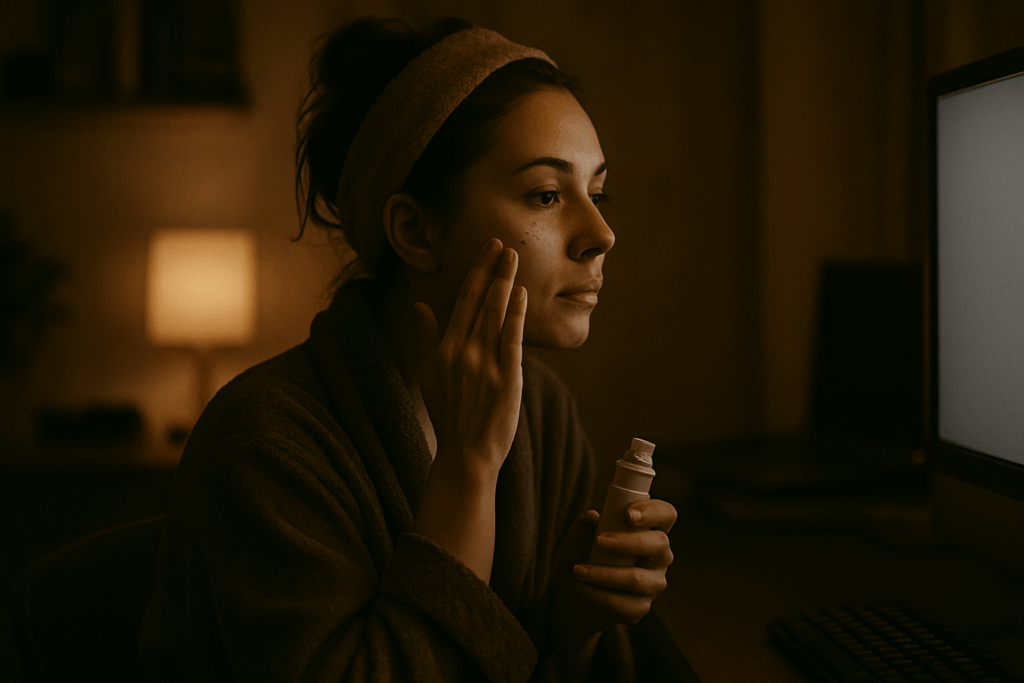
Why Consistency Beats Intensity in 2026
Flashy health hacks come and go. What works? Stability. A consistent self care routine isn’t just feel good language it’s a backbone for mental clarity and physical resilience. Research is catching up to what athletes, therapists, and long time journaling nerds already know: the body and brain crave rhythm over random effort.
Behavioral science shows that habits beat motivation almost every time. Motivation is a wave it rises, crashes, and vanishes. Habits, once set, run on autopilot. They require less effort to maintain over time, reduce decision fatigue, and help you move through rough patches without losing momentum.
Recent findings on neural adaptation and habit loops give this structure a biological edge. The brain wires itself to favor repeatable behavior. Once a routine is locked into place cue, action, reward it becomes easier to sustain than to break. And with consistency, small actions lead to big, lasting change. In other words: don’t sprint, stride.
This section doesn’t ask you to overhaul your life. It asks you to show up, on repeat. That’s where the science and the results live.
Cue, Routine, Reward: the Classic Habit Cycle Explained
At the root of every solid self care routine is a simple loop: cue, routine, reward. It’s the brain’s autopilot setting a neurological circuit designed to conserve effort. The cue is the trigger (like finishing your morning coffee), the routine is the behavior (stretching or meditating), and the reward is what feels good after (a sense of calm, clarity, or maybe just crossing it off your list).
Dopamine drives this cycle. When your brain connects a certain action to a satisfying outcome, it starts to crave that reward. The more you repeat the loop with consistent results, the stronger the link becomes. You’re not relying on willpower you’re rewiring your brain to expect the reward and prompt the habit.
But here’s the rub: your brain doesn’t like big surprises. It treats drastic changes as red flags. That’s why jumping into a new 5 a.m. gym routine or quitting caffeine cold turkey rarely sticks. Instead, working with your brain means starting with small shifts. Link your new habit to something already stable in your day. Keep the reward immediate and clear. Build trust with your nervous system, not tension. The goal isn’t intensity it’s staying in the loop long enough to let it run on its own.
Start Simple, Build Slowly

There’s no trophy for burning out. Real growth in self care doesn’t happen in big, dramatic gestures it comes from small, repeatable actions that build momentum. Meditating for two minutes, drinking one glass of water first thing, stepping outside for a five minute walk. Done daily, these modest habits snowball. Over weeks and months, they wire your brain toward consistency and make bigger routines feel less like effort and more like routine.
One proven strategy: habit stacking. Instead of trying to overhaul your entire day, tack a new habit onto something you already do without thinking. Brush your teeth? That’s your cue to do 10 pushups or take one slow breath. Make coffee? Use the brew time for a gratitude check in. Pairing the new with the familiar makes it more likely to stick your brain likes patterns.
None of this works without self compassion. You’ll miss days. Some weeks will fall apart. That’s not failure, it’s human. Beating yourself up only reinforces the stop start loop. When you treat your routine like a long game, it becomes one. Progress doesn’t come from perfection it comes from coming back.
Personalized Routines That Actually Stick
Timing isn’t just a scheduling issue it’s biological. Our bodies follow a circadian rhythm, a natural 24 hour clock that influences when we’re most alert, creative, or in need of rest. Aligning self care routines with these natural patterns isn’t fluffy advice. It’s science based strategy. If your energy peaks at 7 a.m., that’s the window to journal, reflect, or workout. For night owls, forcing a 5 a.m. meditation likely won’t stick.
This is why personalization matters. There’s no one size fits all routine. Some people thrive on high structure, others on loose boundaries. Introverts might recharge through solo practices like reading or yoga. Extroverts might need social elements peer check ins, community classes, or group goals. Instead of copying a wellness influencer’s daily grind, audit your own rhythms. What time do you naturally focus? When do you zone out? That’s your groundwork.
The best self care routines aren’t the perfect ones they’re the ones that fit you and your life, even when things get messy. For a smart starting point, check out How to Create a Balanced Morning Routine for Better Health.
Tools to Stay On Track in 2026
Sticking to a self care routine takes more than willpower; it requires structure, feedback, and strategic support systems. The good news? Behavioral science offers some valuable, research backed tools that make consistency more achievable especially in the long term.
Habit Tracking That Actually Works
Forget flashy apps with hundreds of features. The most effective tracking methods are simple, consistent, and visual.
Visual progress charts (like habit chains or streak calendars) help reinforce continuity
Daily checklists provide low effort, high value reminders of progress
Data backed habit apps (like Habitica, Streaks, or Loop) use behavioral triggers and reward systems to build momentum
Tracking habits creates a feedback loop that your brain craves progress becomes motivation in itself.
Digital Nudges and Mindful Journaling
Using external reminders and self reflection increases the quality and consistency of self care routines. Rather than relying on memory or motivation, these tools keep the routine front of mind.
Digital reminders (calendar alerts, smart notifications) act as cues that initiate action in your habit cycle
Guided journaling builds awareness around emotional, physical, and mental shifts over time
End of day reflections help reinforce learning, identify obstacles, and recalibrate goals
When journaling is used consistently even for five minutes a day it increases mindfulness and reinforces the reason behind routine tasks.
Why Accountability Works (and When It Doesn’t)
Accountability partnerships aren’t just about having someone to answer to they work because they tap into our innate social wiring.
Peer accountability creates a sense of shared purpose and mutual progress
Public commitment, even in small group chats, increases follow through rates dramatically
Structured check ins (weekly or bi weekly) prevent avoidance and promote adaptive growth
However, forced accountability or mismatched partnerships can backfire. The most successful formats:
Emerge from mutual trust
Are goals aligned
Include reasonable check in frequency and format
When implemented thoughtfully, these tools act as systematized support not pressure leading to more sustainable self care.
Sustainable Self Care is the New Wellness Standard
Self care has worn many faces over the years. Juice cleanses, face masks, “treat yourself” weekends some useful, most fleeting. In 2026, we’re finally exiting the trend cycle. What’s replacing it? Evidence based strategies that prioritize consistency over sparkle. It’s not about doing more; it’s about doing the right things regularly.
Research continues to confirm what seasoned therapists and burnout survivors already know: routines matter more than resolutions. When self care becomes predictable, your mind feels safer. Cortisol levels drop. Anxiety softens. Energy stabilizes. At a neurological level, steady routines reinforce neural pathways tied to emotional regulation and resilience. It’s not self help fluff it’s biology.
And here’s the kicker: you won’t always feel the payoff right away. That’s the trap. The real value of consistent routines shows up weeks, months, sometimes years later. The walks you took today? They ease the weight of tomorrow’s stress. The journal you wrote in last week? It helps you process next month’s chaos. Sustainable self care isn’t glamorous. It’s just smart.
This shift is about moving from reactive to proactive. You build your mental toolkit now so you’re not fumbling for it later. That’s the new standard and it’s one worth committing to.
 Julianne Seamanstin is the kind of writer who genuinely cannot publish something without checking it twice. Maybe three times. They came to fitness routines and workouts through years of hands-on work rather than theory, which means the things they writes about — Fitness Routines and Workouts, Expert Wellness Insights, Holistic Health Approaches, among other areas — are things they has actually tested, questioned, and revised opinions on more than once.
That shows in the work. Julianne's pieces tend to go a level deeper than most. Not in a way that becomes unreadable, but in a way that makes you realize you'd been missing something important. They has a habit of finding the detail that everybody else glosses over and making it the center of the story — which sounds simple, but takes a rare combination of curiosity and patience to pull off consistently. The writing never feels rushed. It feels like someone who sat with the subject long enough to actually understand it.
Outside of specific topics, what Julianne cares about most is whether the reader walks away with something useful. Not impressed. Not entertained. Useful. That's a harder bar to clear than it sounds, and they clears it more often than not — which is why readers tend to remember Julianne's articles long after they've forgotten the headline.
Julianne Seamanstin is the kind of writer who genuinely cannot publish something without checking it twice. Maybe three times. They came to fitness routines and workouts through years of hands-on work rather than theory, which means the things they writes about — Fitness Routines and Workouts, Expert Wellness Insights, Holistic Health Approaches, among other areas — are things they has actually tested, questioned, and revised opinions on more than once.
That shows in the work. Julianne's pieces tend to go a level deeper than most. Not in a way that becomes unreadable, but in a way that makes you realize you'd been missing something important. They has a habit of finding the detail that everybody else glosses over and making it the center of the story — which sounds simple, but takes a rare combination of curiosity and patience to pull off consistently. The writing never feels rushed. It feels like someone who sat with the subject long enough to actually understand it.
Outside of specific topics, what Julianne cares about most is whether the reader walks away with something useful. Not impressed. Not entertained. Useful. That's a harder bar to clear than it sounds, and they clears it more often than not — which is why readers tend to remember Julianne's articles long after they've forgotten the headline.