
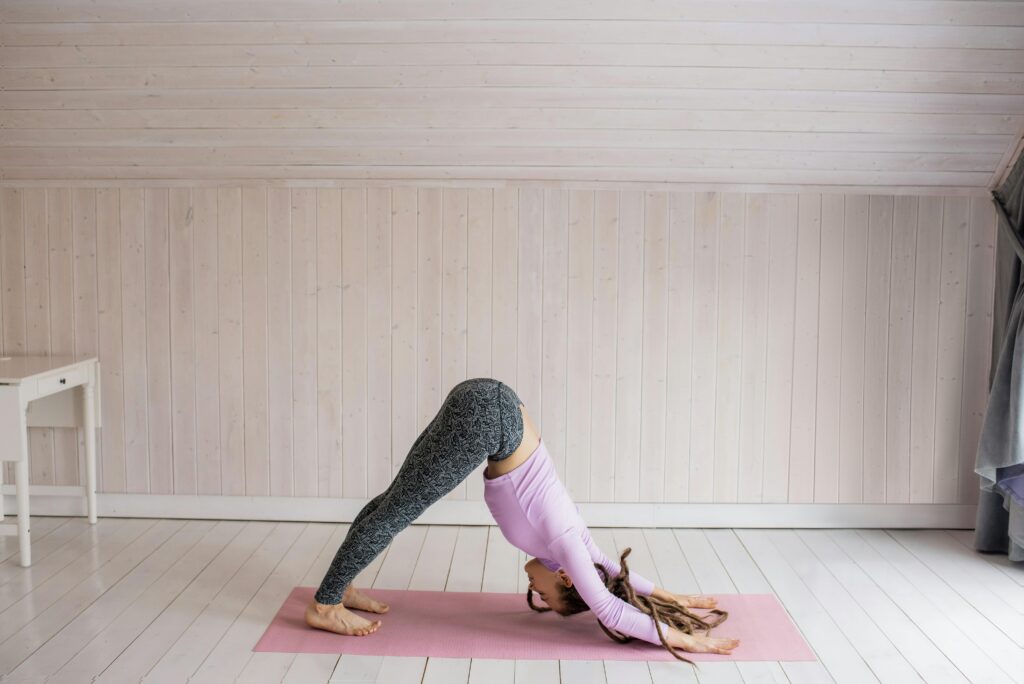
If there’s one fitness myth that deserves to retire, it’s the idea that intense, high-impact workouts are the only path to better health. From social media athletes flipping tires to marathon runners logging miles every morning, the perception of “real exercise” has long been tied to intensity, sweat, and strain. But in reality, there’s a large category of movement that delivers equal benefits without punishing the joints: low-impact exercise.
Low-impact movement is gentle on the body, accessible at nearly every age, and adaptable to almost every physical condition. Whether someone is recovering from injury, managing chronic pain, or just prefers activities that won’t leave them limping the next day, low-impact workouts can build strength, improve mobility, support cardiovascular health, and boost mental well-being.
And best of all? There’s no one “right” way to do it. From water-based activities to rhythmic dance sessions, the options are far more exciting than many expect.
Why Low-Impact Movement Matters
High-impact exercise has value—especially for building bone density—but it isn’t the only route to fitness. Low-impact movement shifts the focus from stress to sustainability. For many adults, the biggest challenge isn’t intensity—it’s consistency. Exercising hard for two weeks and then quitting doesn’t beat exercising gently for years.
Low-impact exercise is often associated with accessibility rather than ease. These workouts engage large muscle groups, elevate the heart rate, and improve endurance, all while minimizing stress on the joints. Research increasingly supports that low-impact activities can offer similar cardiovascular benefits as high-impact routines when practiced consistently.
It’s also an approach that ages well. Children, adults, and older individuals can all share the movement space without risk or exclusion. Whether someone is new to exercise or transitioning after years of intense training, low-impact fitness provides a safer middle ground.
Water-Based Movement: A Full-Body Game Changer
When discussing joint-friendly activities, the pool always deserves a mention. Water reduces gravitational impact, meaning the body can move more freely without strain. This is especially valuable for people with arthritis, joint pain, or limited mobility.
Water aerobics, aquatic cycling, and water resistance training are popular options for adults looking to improve strength and stamina. What surprises many is how quickly these workouts build muscular endurance—water adds resistance in every direction, challenging the body at a comfortable pace.
Another major benefit is accessibility. Swimming is a lifelong skill. It’s gentle enough for toddlers learning how to move their bodies and effective enough for seniors working to preserve functional fitness. Many adults also enroll their kids in swimming lessons not just for safety, but because it introduces them to a form of fitness that remains viable for decades.
Mind-Body Movement: Where Flexibility Meets Strength
Low-impact exercise isn’t all cardio. Yoga, Pilates, and Tai Chi build deep muscle strength while improving flexibility, posture, lung capacity, and balance. These modalities are particularly supportive for individuals who spend much of the day sitting or hunched over screens—an increasingly universal lifestyle.
Yoga’s breathwork has been shown to reduce stress hormones and improve sleep quality, while Pilates focuses heavily on core strength and spinal alignment—benefits that translate directly into everyday movement.
Tai Chi plays a different role: slow, intentional movements sharpen coordination, proprioception, and mental clarity. Studies have shown improvements in balance among older adults, reducing fall risk and enhancing confidence when moving through daily tasks.
Mind-body practices also feature clear scalability. A beginner can start with chair-assisted yoga, while advanced practitioners can progress toward more dynamic flows or controlled Pilates sequences. The spectrum encourages growth without demanding it.
Low-Impact Strength Training: Building Power Without Pain
Strength training might seem incompatible with low-impact fitness, but the two go hand-in-hand. Adding resistance helps preserve bone density, build muscle mass, and support long-term mobility.
Options include:
- resistance bands
- cable machines
- lightweight dumbbells
- kettlebells (used safely)
- bodyweight training
The difference lies in movement quality. Instead of explosive jumps, lifters focus on controlled, grounded motions. This approach keeps joints stable and reduces injury risk while producing significant strength gains.
For older adults in particular, strength training is linked to improvements in balance, functional mobility, and independence. The more muscle mass we preserve with age, the easier everyday activities become—carrying groceries, climbing stairs, or standing up from a chair.
Creative, Skills-Based Low-Impact Activities
Low-impact movement doesn’t have to feel like a workout class. Many sports and recreational activities naturally qualify due to their rhythmic, non-pounding mechanics.
One surprisingly accessible example is archery—a precision-based sport that strengthens the upper body, sharpens focus, and encourages mindful breathing. Community centers and local clubs frequently offer archery class options that welcome beginners of all ages, making it both a hobby and a fitness activity.
Gardening, dancing, and recreational cycling fit into this category as well. These activities encourage sustained movement, motor control, and cardiovascular engagement without overwhelming the joints. Skills-based movement is also psychologically rewarding: participants feel like they’re learning something, not just working out.
Walking: The Underrated Fitness Hero
If any low-impact activity deserves more recognition, it’s walking. It is free, accessible virtually everywhere, and requires zero equipment. Walking supports cardiovascular health, reduces stress, promotes better digestion, and enhances mood—all without complicated technique or instruction.
Regular walking routines can be adapted for intensity by increasing pace, incline, duration, or terrain. Urban walkers might enjoy parks and boardwalks, while more adventurous personalities can turn to hiking trails. Nordic walking—using poles—adds upper-body engagement for greater whole-body benefits.
The mental health perks of walking are equally compelling. Outdoor walking boosts serotonin and dopamine levels, helping regulate anxiety and mood disorders while improving sleep patterns. Many therapists actively recommend walking as complementary treatment for stress-related conditions.
A Movement Style for Every Age, Body, and Lifestyle
What makes low-impact movement so compelling is its inclusivity. Children can participate without risk, seniors can participate without fear, and adults can tailor the experience around schedules, bodies, and goals. This dismantles the all-or-nothing framework that often discourages people from exercising at all.
For younger individuals, low-impact sports and recreational activities help build fundamental coordination and body awareness. For middle-aged adults, these movements support weight management, stress reduction, and cardiovascular health. For older adults, they protect mobility, independence, and longevity.
And unlike high-impact programs that many abandon due to pain or burnout, low-impact movement fosters long-term consistency—the single most important factor in sustainable health.
The Future of Fitness Is Sustainable, Not Punishing
Fitness culture is slowly shifting away from “no pain, no gain” and toward “movement as nourishment.” People want ways to exercise that feel good, not just look good. Low-impact exercise fits into this new reality, offering a balance of challenge and comfort that respects the body while still encouraging personal growth.
Whether someone wants to deepen flexibility, build strength, explore a skill, or simply move more throughout their day, there’s a low-impact option that aligns with their needs. And when fitness becomes adaptable instead of intimidating, participation increases—and that benefits everyone.
 Julianne Seamanstin is the kind of writer who genuinely cannot publish something without checking it twice. Maybe three times. They came to fitness routines and workouts through years of hands-on work rather than theory, which means the things they writes about — Fitness Routines and Workouts, Expert Wellness Insights, Holistic Health Approaches, among other areas — are things they has actually tested, questioned, and revised opinions on more than once.
That shows in the work. Julianne's pieces tend to go a level deeper than most. Not in a way that becomes unreadable, but in a way that makes you realize you'd been missing something important. They has a habit of finding the detail that everybody else glosses over and making it the center of the story — which sounds simple, but takes a rare combination of curiosity and patience to pull off consistently. The writing never feels rushed. It feels like someone who sat with the subject long enough to actually understand it.
Outside of specific topics, what Julianne cares about most is whether the reader walks away with something useful. Not impressed. Not entertained. Useful. That's a harder bar to clear than it sounds, and they clears it more often than not — which is why readers tend to remember Julianne's articles long after they've forgotten the headline.
Julianne Seamanstin is the kind of writer who genuinely cannot publish something without checking it twice. Maybe three times. They came to fitness routines and workouts through years of hands-on work rather than theory, which means the things they writes about — Fitness Routines and Workouts, Expert Wellness Insights, Holistic Health Approaches, among other areas — are things they has actually tested, questioned, and revised opinions on more than once.
That shows in the work. Julianne's pieces tend to go a level deeper than most. Not in a way that becomes unreadable, but in a way that makes you realize you'd been missing something important. They has a habit of finding the detail that everybody else glosses over and making it the center of the story — which sounds simple, but takes a rare combination of curiosity and patience to pull off consistently. The writing never feels rushed. It feels like someone who sat with the subject long enough to actually understand it.
Outside of specific topics, what Julianne cares about most is whether the reader walks away with something useful. Not impressed. Not entertained. Useful. That's a harder bar to clear than it sounds, and they clears it more often than not — which is why readers tend to remember Julianne's articles long after they've forgotten the headline.